.avif)
.png)
.jpg)
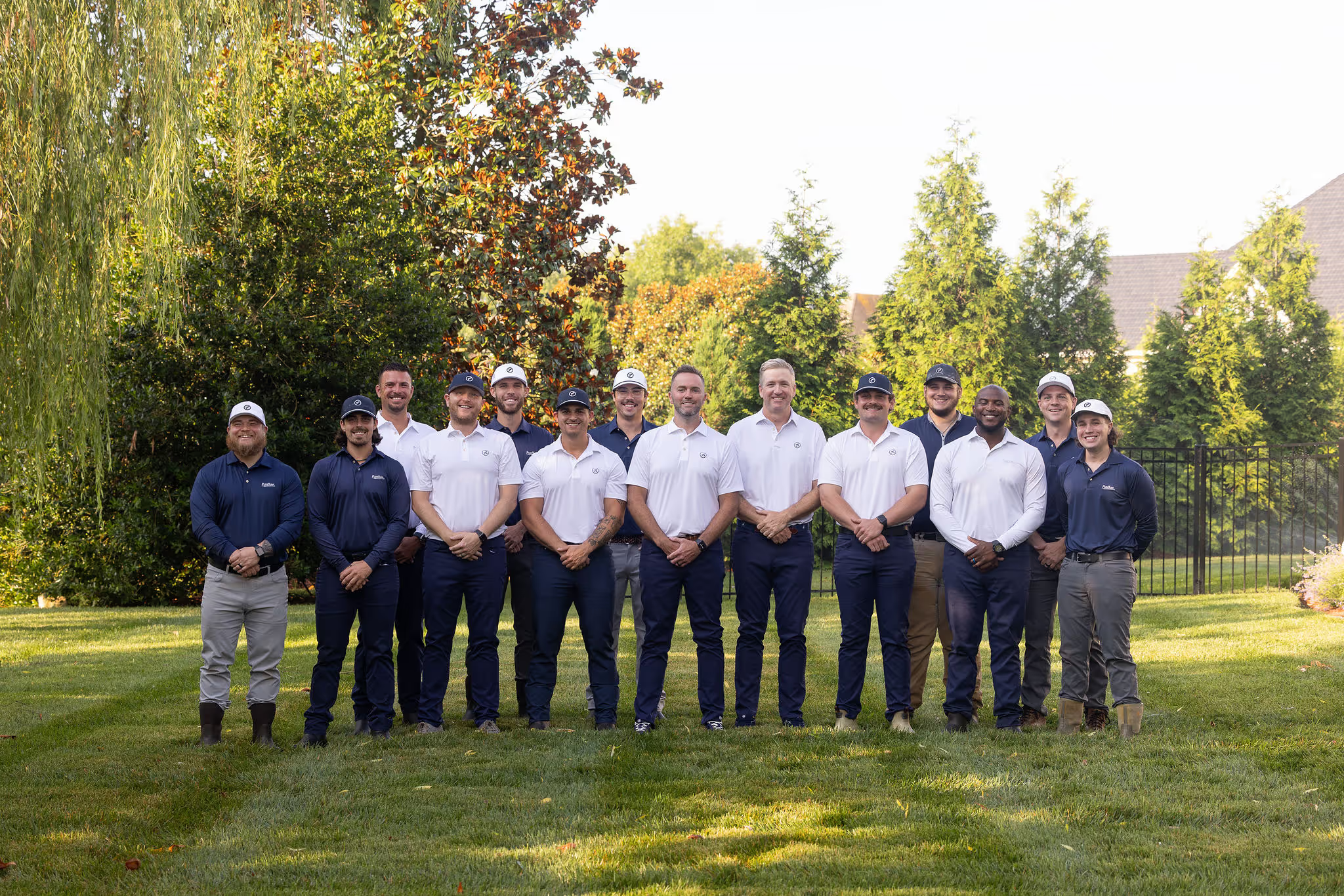
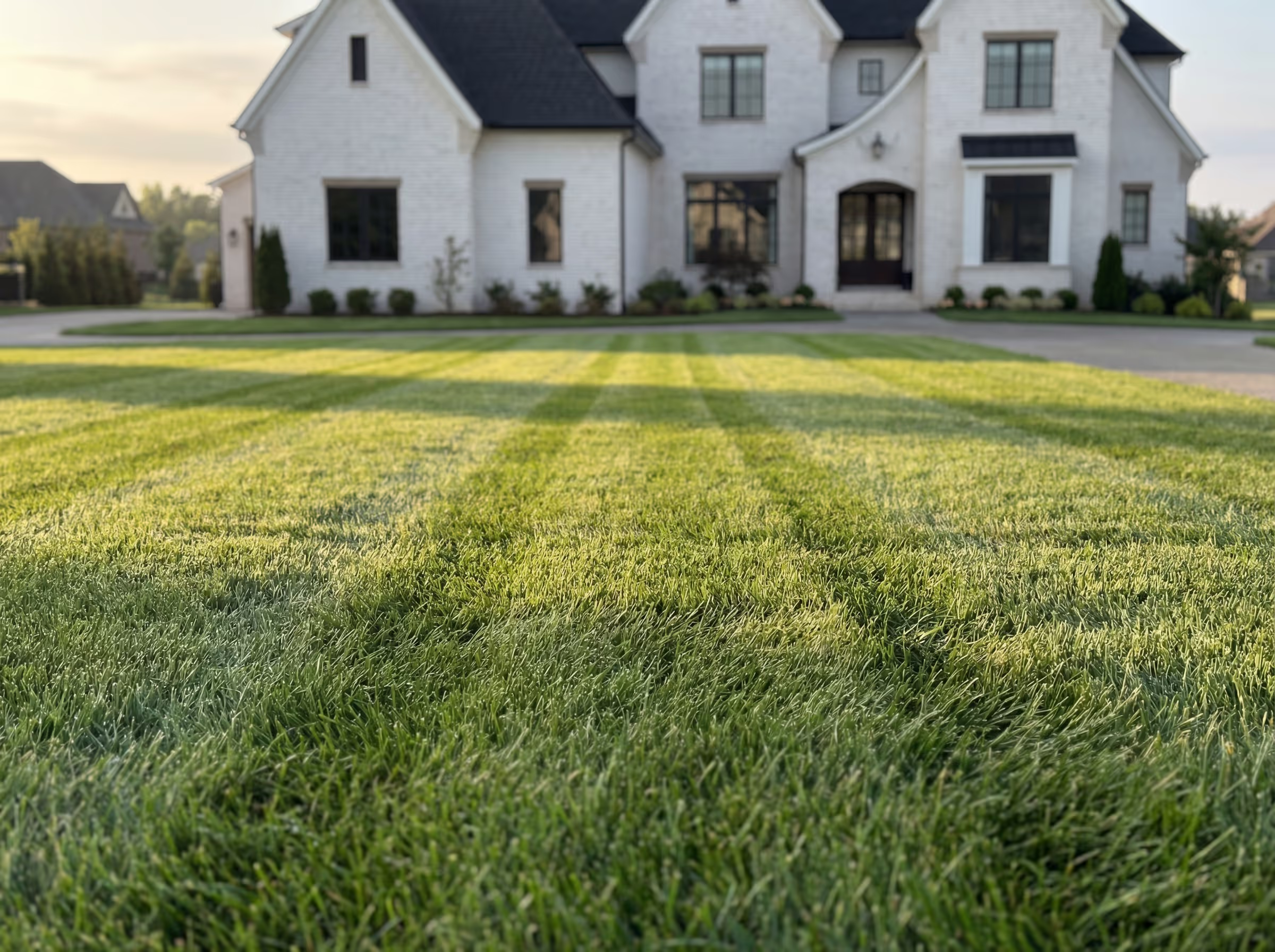
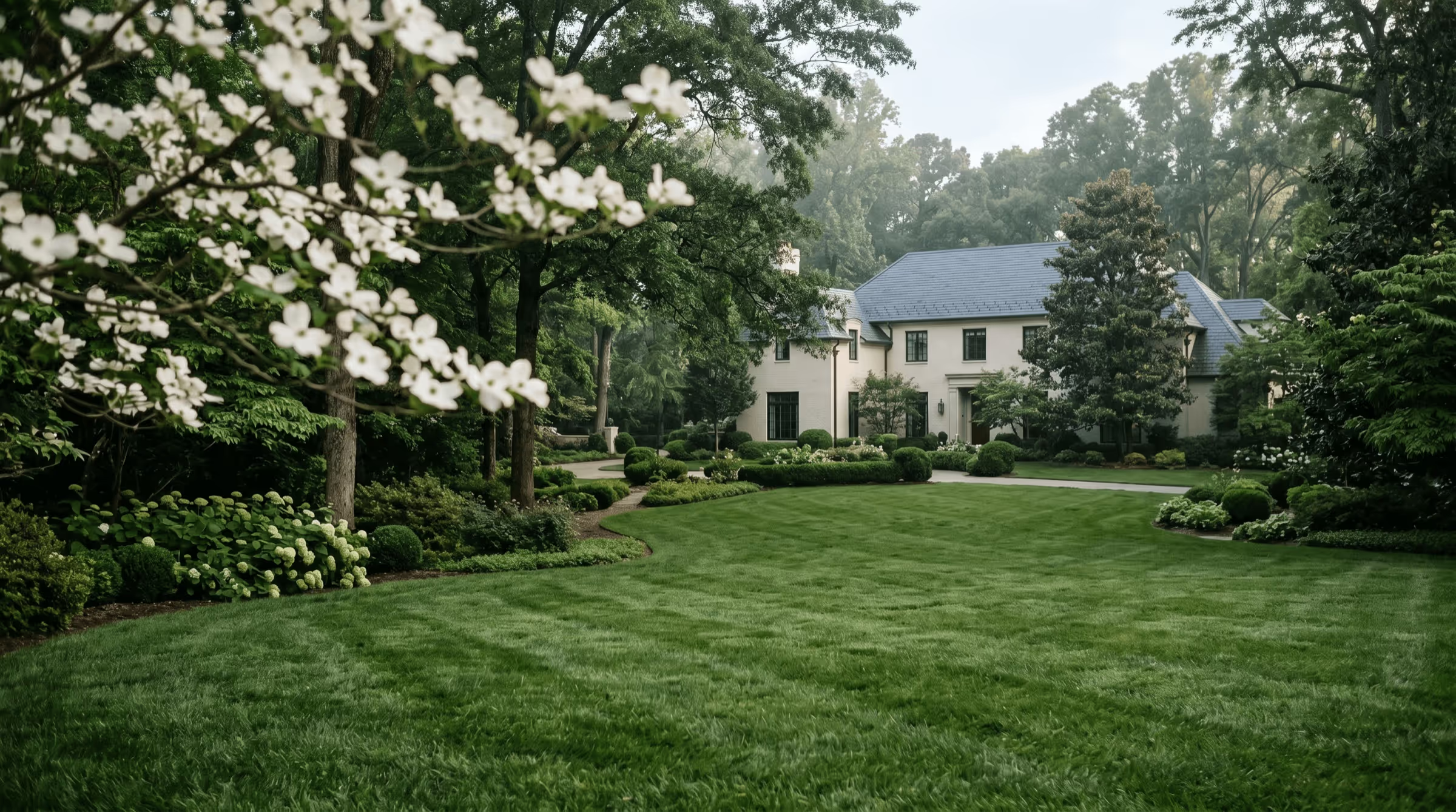

If you've ever sprayed a weed, watched it shrivel, and then watched three more pop up the next week, you already know the frustrating truth about weed control: killing a weed and controlling weeds are two different jobs. The first is easy. The second takes a plan built around how weeds actually behave in Middle Tennessee — our clay soil, our transition-zone climate, and the specific weeds that thrive here.
This guide walks through how lawn weed control really works in Nashville, Brentwood, Franklin, Murfreesboro, and the communities around them. If you'd rather have a professional program handle the timing and products, that's what our fertilization and weed control program is built for — but either way, understanding the system below will make your lawn better.
Why Middle Tennessee Lawns Grow So Many Weeds
Two local factors do most of the damage. First, our heavy clay soil compacts easily, and thin, stressed grass on compacted soil is an open invitation — weeds are opportunists that colonize any spot where turf isn't thick enough to shade the soil. Second, we sit in the transition zone: hot enough in summer to stress the tall fescue most of our lawns are planted in, cold enough in winter to knock back warm-season grasses. Whichever grass you have, part of the year is working against it — and weeds fill the gaps.
That's why the foundation of weed control isn't a chemical at all. It's a thick, healthy lawn. Dense turf shades the soil surface, and most weed seeds simply can't germinate without light hitting the soil. Every practice that thickens grass — proper mowing height, annual aeration and overseeding, and a sound fertilization schedule — is weed control.
Know Your Enemy: The Weeds You're Actually Fighting
Middle Tennessee's usual suspects are crabgrass, clover, dandelion, henbit, chickweed, nutsedge, wild violet, and spurge. Each one germinates at a different time, spreads a different way, and responds to different treatments — which is why one jug of weed killer never solves the whole problem. We've put together a full field guide: The Weeds Taking Over Middle Tennessee Lawns (And How to Beat Each One).
The Two Tools: Pre-Emergent and Post-Emergent
Every professional weed control program runs on two kinds of products, used at different times for different jobs.
Pre-Emergent: Stop Weeds Before You See Them
Pre-emergent herbicides form a barrier in the top layer of soil that stops weed seeds as they germinate. They can't kill anything that's already up and growing — their entire value is timing. In Middle Tennessee there are two windows that matter: late winter, before soil temperatures reach the mid-50s and crabgrass wakes up, and early fall, before winter annuals like henbit and chickweed germinate. Miss a window and no amount of product later fully makes up for it.
Post-Emergent: Clean Up What Got Through
Post-emergent herbicides handle the weeds you can see. The right product depends on the weed — broadleaf weeds like dandelion and clover need one chemistry, grassy weeds like crabgrass need another, and sedges need a third. Application conditions matter too: actively growing weeds in mild weather absorb herbicide well, while drought-stressed weeds in July mostly shrug it off.
The interplay between these two windows — and why the calendar matters more than the product label — is covered in detail in Pre-Emergent vs Post-Emergent: When Weed Treatments Actually Work in Tennessee.
Where DIY Weed Control Usually Goes Wrong
Our technicians walk a lot of lawns where a homeowner has been fighting weeds for years, and the same patterns show up:
- Spraying on the weed's schedule, not the calendar's. By the time crabgrass is visible in June, the pre-emergent window that would have prevented it closed months earlier.
- One product for every weed. A broadleaf herbicide will never touch nutsedge, and applying more of it doesn't change that.
- Skipping the fall window. The purple haze of henbit in March is planted in September. Fall pre-emergent is the least-known, highest-payoff application of the year.
- Treating weeds while ignoring the grass. Killing weeds in a thin lawn just creates bare spots for the next generation of weeds. Weed control and lawn thickening have to happen together.
What a Professional Program Does Differently
A year-round program isn't just someone else spraying the same products. It's the timing handled for you — pre-emergents down before the windows close, the right post-emergent chemistry matched to each weed, and fertilization built into the same visits so the grass thickens while the weeds thin out. That combination is the whole reason our fertilization and weed control program pairs the two services in one plan: each one makes the other work better.
No contracts, no surprises — if you'd like us to look at what's growing in your lawn and tell you exactly what it needs, request a free estimate and we'll walk it with you.
Related posts
Take your lawn to the next level.

The Simple Guide To Diagnosing And Controlling A Grub Infestation

.svg)