

.avif)

.png)
.jpg)

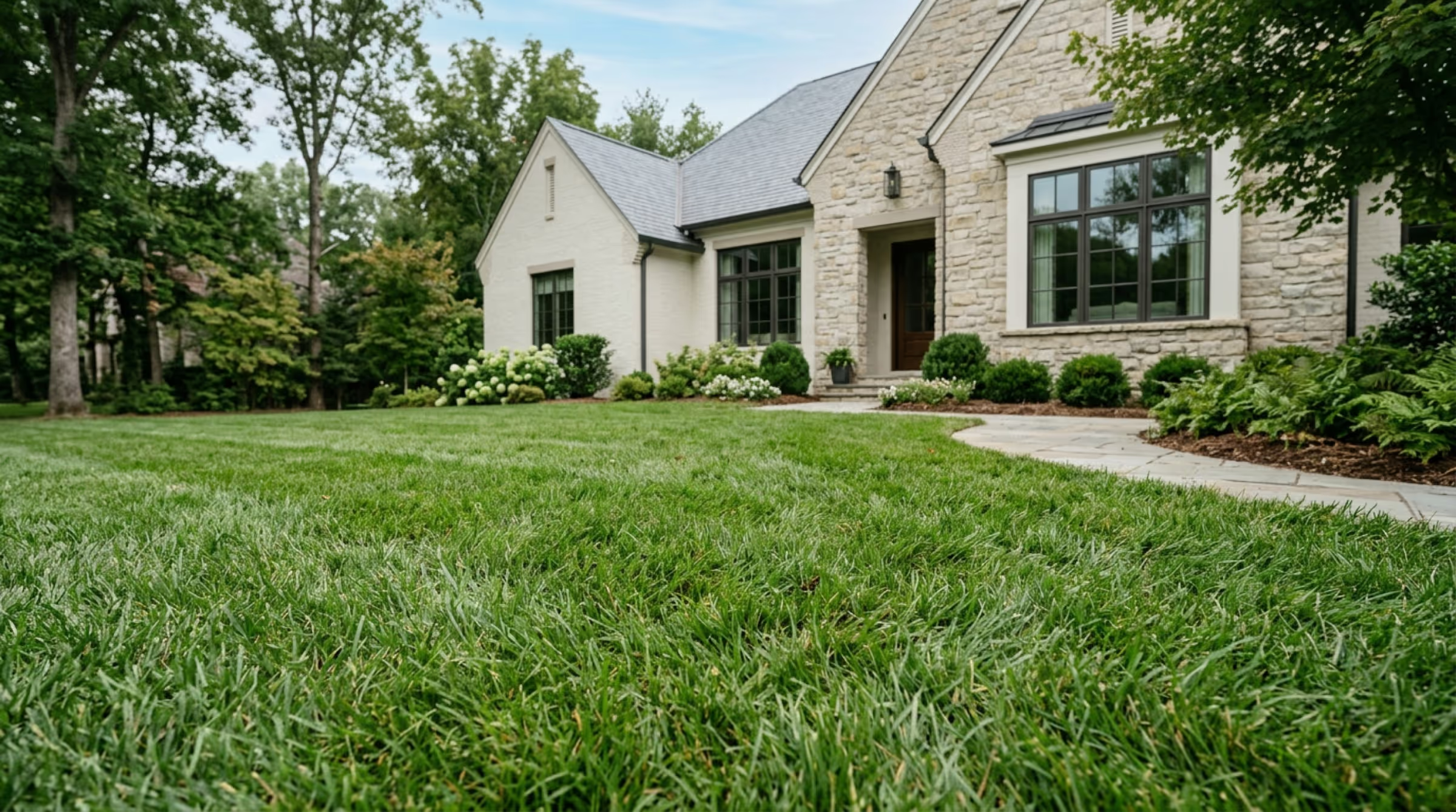

What Is Lawn Aeration?
Lawn aeration is the process of creating openings in the soil to relieve compaction, allowing air, water, and nutrients to reach grass roots more effectively. Compacted soil is one of the most common and least visible lawn problems, and aeration is the primary solution. For most Middle Tennessee lawns, annual aeration is the single most impactful service after fertilization and weed control.
This guide covers what aeration actually does, why Middle Tennessee soil benefits from it specifically, when to schedule it, and what to expect afterward. If you've heard the term but never fully understood why lawn care companies push aeration so consistently, this explains it. And if you already know your lawn needs it, our Signature Aeration + Seeding service covers the full program.
Why Aeration Matters Specifically in Middle Tennessee
Middle Tennessee's predominant soil type is heavy clay. Clay particles bind tightly together, especially after wet winters followed by hot dry summers. Over time, the spaces between soil particles collapse. Grass roots can't push through. Water runs off the surface instead of soaking in. Fertilizer sits on top and washes away. The lawn looks thin or stressed despite proper watering and feeding.
Aeration directly reverses this. Whether through mechanical core aeration (which pulls plugs of soil out of the ground) or liquid aeration (which chemically loosens soil structure), the process restores the root zone to a state where grass can actually grow vigorously.
Lawns in Nashville, Brentwood, Franklin, Murfreesboro, and surrounding communities benefit from aeration more than lawns in many other parts of the country specifically because of the clay-heavy soil combined with significant freeze-thaw cycling in winter and intense summer heat. The compaction cycle here is more pronounced than in regions with sandy or loamy soil.
Signs Your Lawn Needs Aeration
You don't need a soil test to know if your lawn needs aeration. Several visual and physical signs are reliable indicators:
Water Pools or Runs Off After Rain
Healthy soil absorbs rainfall steadily. Compacted soil sheds water like pavement. If you see puddles forming during normal rain (not heavy storms), the root zone is too dense for proper infiltration.
The Screwdriver Test Fails
Push a regular screwdriver into your lawn after rain. It should slide in 4 to 6 inches with moderate resistance. If it stops at 2 to 3 inches or requires significant force, you have compaction problems.
Thin Patches Despite Fertilization
Lawns that stay thin even with consistent fertilization usually have compacted soil that's preventing roots from accessing the nutrients. The fertilizer can't help if it can't reach the root zone.
Visible Soil Cracking
Severely compacted clay soil cracks when it dries. Surface cracks 1/4 inch wide or larger indicate compaction issues that aeration helps address.
High Foot Traffic Areas
Pathways across the lawn, areas where kids play, spots where pets run consistently, or sections you regularly walk on develop compaction faster than the rest of the lawn. These spots usually show damage first.
Thatch Buildup
A spongy feel when walking on the lawn often indicates thatch (decomposed organic matter) building up faster than soil microbes can break it down. Aeration brings soil microbes into contact with the thatch layer and speeds decomposition.
The Two Aeration Methods
Two main approaches exist, and the right choice depends on your lawn's specific condition.
Core Aeration
Core aeration uses a machine with hollow tines that pull small plugs of soil out of the lawn. These plugs are 2 to 4 inches deep and half an inch in diameter, spaced 3 to 6 inches apart across the lawn. The plugs break down on the surface over 10 to 14 days, returning soil microbes and organic matter to the lawn.
The holes left behind reduce compaction immediately, allow water and nutrients to penetrate deeper, and create ideal conditions for overseeding new grass into existing turf.
Liquid Aeration
Liquid aeration applies a soil amendment that breaks down compaction chemically. The active ingredient (often based on humic acids or specialized surfactants) penetrates the soil, separates clay particles, and increases pore space at the microscopic level. Results develop gradually over 3 to 6 weeks.
No physical disruption to the lawn occurs. No plugs appear on the surface. The improvement happens invisibly beneath the soil surface.
Which Should You Choose?
This is the most common question homeowners ask. The honest answer depends on lawn condition, timing constraints, and what you're trying to accomplish. We've written a complete decision guide that walks through when each method works best, what each costs in time and visual impact, and how to combine them for maximum results. Read the Liquid Aeration vs Core Aeration comparison guide for the full breakdown.
When to Aerate in Middle Tennessee
Aeration timing depends on your grass type. Middle Tennessee lawns are usually one of three types: tall fescue (cool-season), Bermuda (warm-season), or Zoysia (warm-season). Each has different optimal aeration windows.
Tall Fescue Lawns
The primary aeration window for Fescue is late August through early October. Soil temperatures are dropping into the optimal range for grass growth, and the lawn has weeks of moderate weather ahead to recover before winter dormancy. This is also when overseeding produces the best results, so aeration and overseeding are typically combined.
A secondary window exists in mid-March through April, but spring aeration on Fescue is less ideal because it creates conditions favorable to crabgrass and summer weed germination.
Bermuda and Zoysia Lawns
Warm-season grasses benefit most from aeration in late April through June, when they're actively growing and can fill in aeration holes within a few weeks. Heat stress hasn't started yet, and the grass has months of active growth ahead.
Avoid aerating warm-season lawns in fall or winter. Mechanical disturbance during dormancy or transition periods can slow spring green-up significantly.
For a month-by-month breakdown of aeration timing, see our guide on the best time to aerate a lawn in Tennessee. For seasonal timing across all lawn care services, see our Seasonal Lawn Care guide for Middle Tennessee.
What to Expect After Aeration
After core aeration, you'll see small plugs of soil scattered across the lawn. They look unsightly for a few days, but they break down naturally over 10 to 14 days during active growing periods. Don't rake them up. They contain soil microbes and organic matter that benefit the lawn as they decompose.
Water the lawn lightly but consistently for the first 2 weeks after aeration. If you're overseeding at the same time, this watering is critical for seed germination.
Most homeowners notice deeper, greener growth within 2 to 4 weeks of aeration. The full soil structure improvements continue developing over 3 to 6 months as roots expand into the new channels.
After liquid aeration, the lawn looks identical immediately afterward. Visible improvement develops over 3 to 6 weeks as the soil chemistry shifts.
For a complete day-by-day recovery walkthrough, see our guide on what to do after lawn aeration.
Aeration in Your Specific City
Soil conditions, common grass types, and lawn challenges vary across Middle Tennessee. Pure Turf provides aeration services across all major communities, with timing and recommendations adjusted to local conditions.
- Lawn Aeration in Nashville
- Lawn Aeration in Brentwood
- Lawn Aeration in Franklin
- Lawn Aeration in Murfreesboro
- Lawn Aeration in Spring Hill
- Lawn Aeration in Mt. Juliet
- Lawn Aeration in Belle Meade
- Lawn Aeration in Forest Hills
- Lawn Aeration in Green Hills
- Lawn Aeration in Bellevue
Aeration and Overseeding Together
For Fescue lawns, aeration is most powerful when combined with overseeding. The aeration holes give grass seed direct contact with cool, moist soil at the exact depth needed for germination. Without aeration, overseeding rates can be 50% lower because seed sits on top of thatch or compacted soil instead of reaching where it can root.
Pure Turf's Signature Aeration + Seeding program for Fescue lawns includes premium turf-type tall fescue seed selected for Middle Tennessee climate, with disease resistance and drought tolerance matched to local conditions.
Bermuda and Zoysia lawns do not benefit from overseeding because they spread through stolons and rhizomes rather than seed. For warm-season lawns, aeration alone delivers the benefit.
Our complete fall renovation method is detailed in Aeration and Overseeding: The Tennessee Fall Lawn Restoration Method, and the most common questions are answered in our Fall Lawn Aeration FAQ.
What Aeration Doesn't Solve
Aeration is powerful, but several common lawn problems require different approaches:
- Lawn disease. Brown patch, large patch, dollar spot, and other fungal problems need fungicide treatments. Aeration improves drainage which reduces some disease conditions, but doesn't treat active infections.
- Drainage problems. Standing water from heavy rain indicates grading or subsurface issues, not just root-zone compaction. Aeration helps somewhat but isn't a complete solution.
- Weed pressure. Aeration creates open soil where weed seeds can germinate. Pre-emergent herbicide timing around aeration matters significantly.
- Insect damage. Grub damage, chinch bug problems, and other insect issues need targeted insecticide, not aeration.
- Soil chemistry problems. Low pH or nutrient deficiencies need soil testing and amendment, not aeration.
How Often Should You Aerate?
Most Middle Tennessee lawns benefit from aeration once per year. Lawns with heavy traffic, severely compacted soil, or major renovation needs may benefit from twice-yearly aeration (typically a heavy fall service plus a maintenance liquid application in spring). Lighter lawns on sandy or loamy soil may only need aeration every other year.
Annual aeration as part of a year-round lawn care program produces the most consistent results.
Getting Started
If your lawn shows signs of compaction (water pooling, thin growth despite fertilization, hard ground that fails the screwdriver test, or thinning grass in high-traffic areas), aeration is likely the right next step. Pure Turf provides free lawn evaluations across Nashville, Brentwood, Franklin, Murfreesboro, Spring Hill, Mt. Juliet, and surrounding Middle Tennessee communities. Evaluations include soil compaction assessment and a specific aeration recommendation based on your grass type, lawn condition, and timing needs. Ready to book? Start with our aeration and overseeding service.
Wondering what it costs? See our transparent breakdown of how much lawn aeration costs in Nashville.
Related posts
Take your lawn to the next level.
Grub Infested Lawn in Nashville: How to Identify, Treat, and Prevent Grub Damage

.svg)