.avif)
.png)
.jpg)
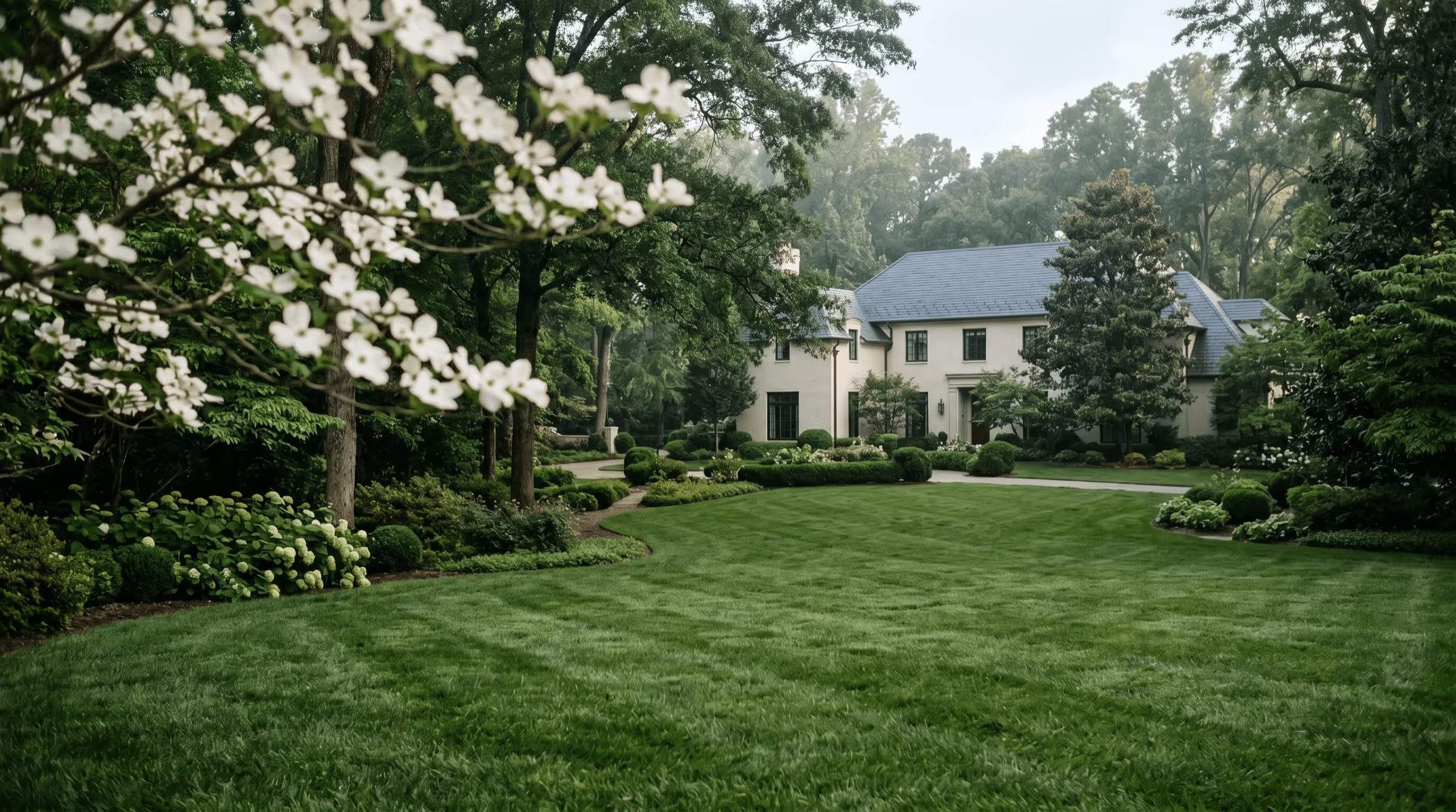

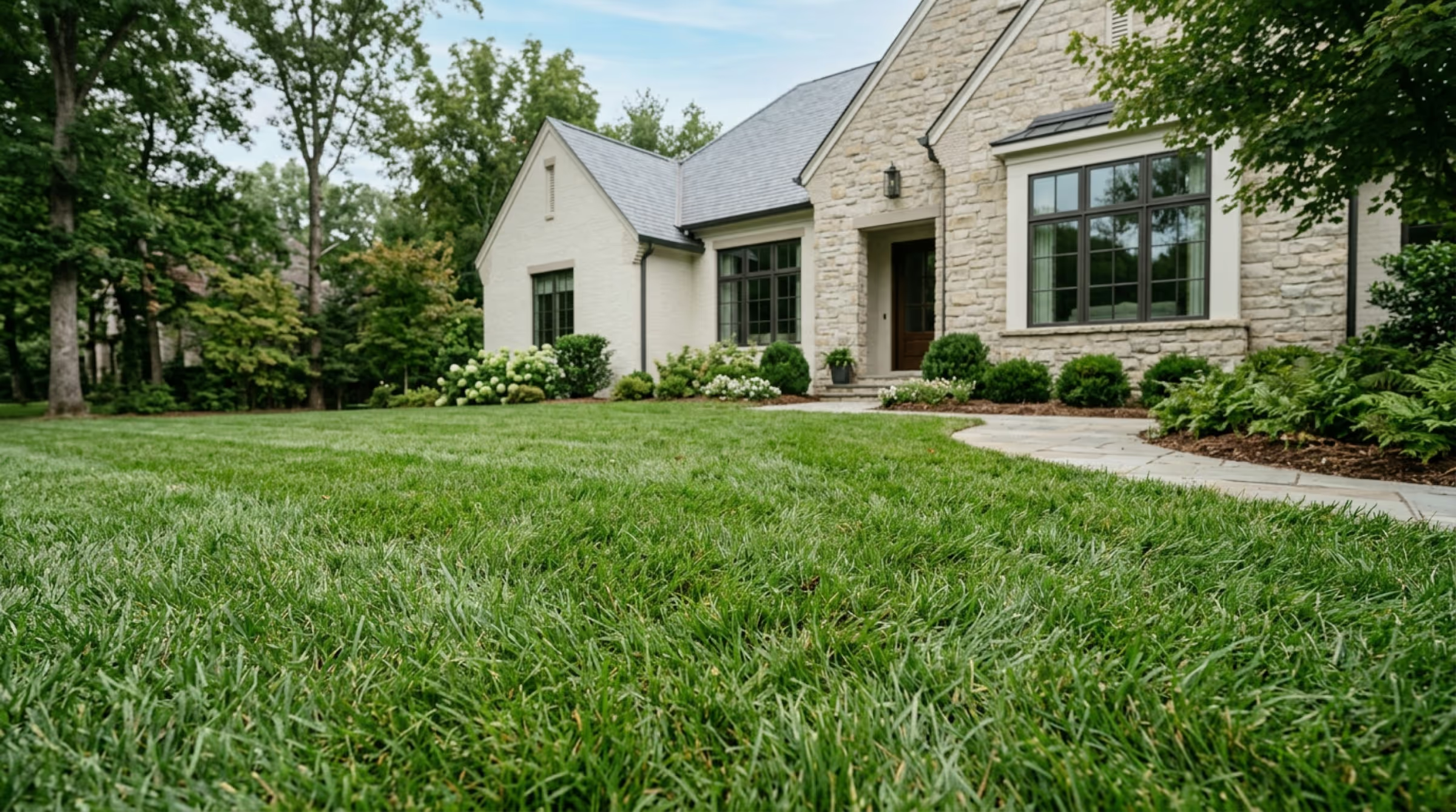
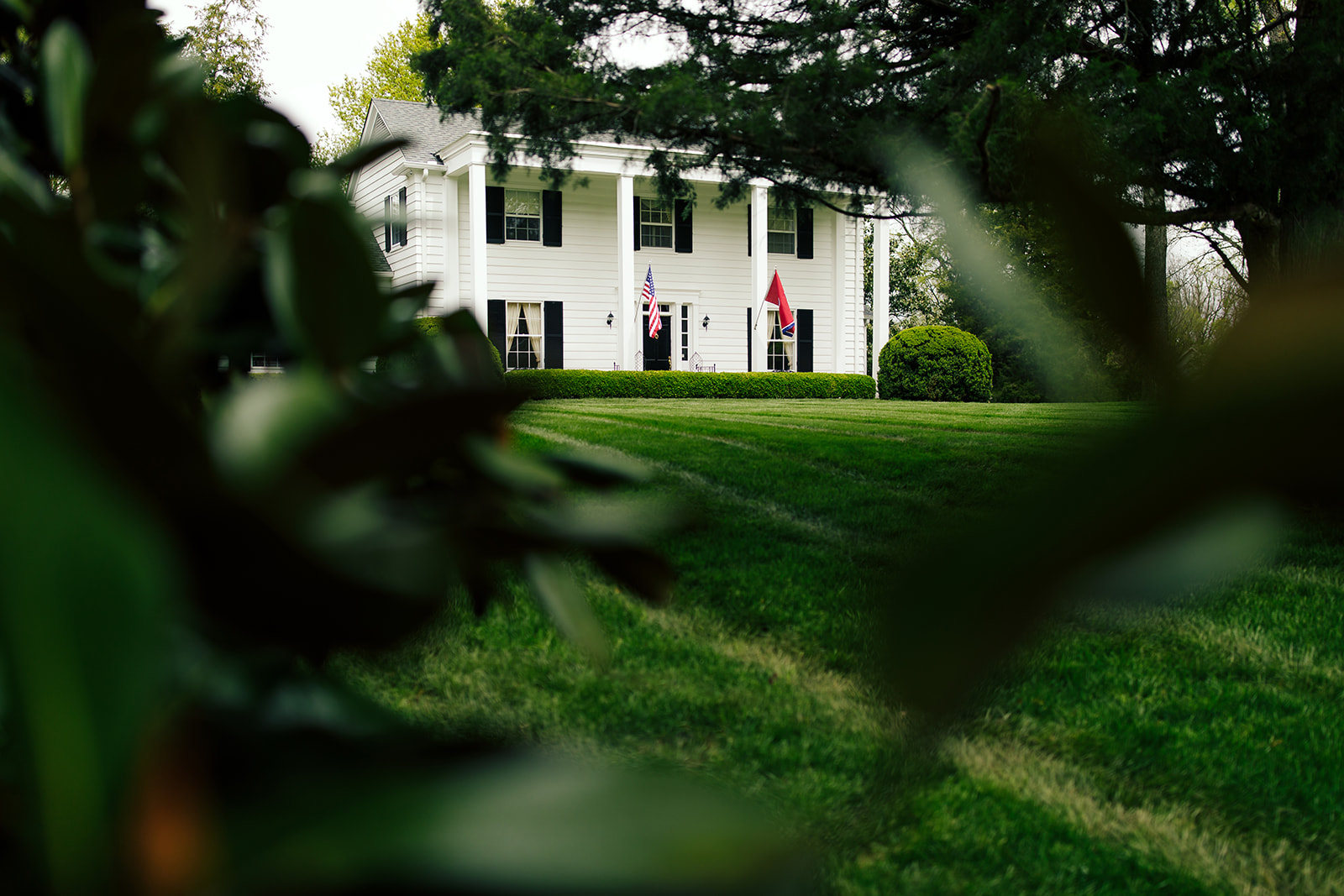
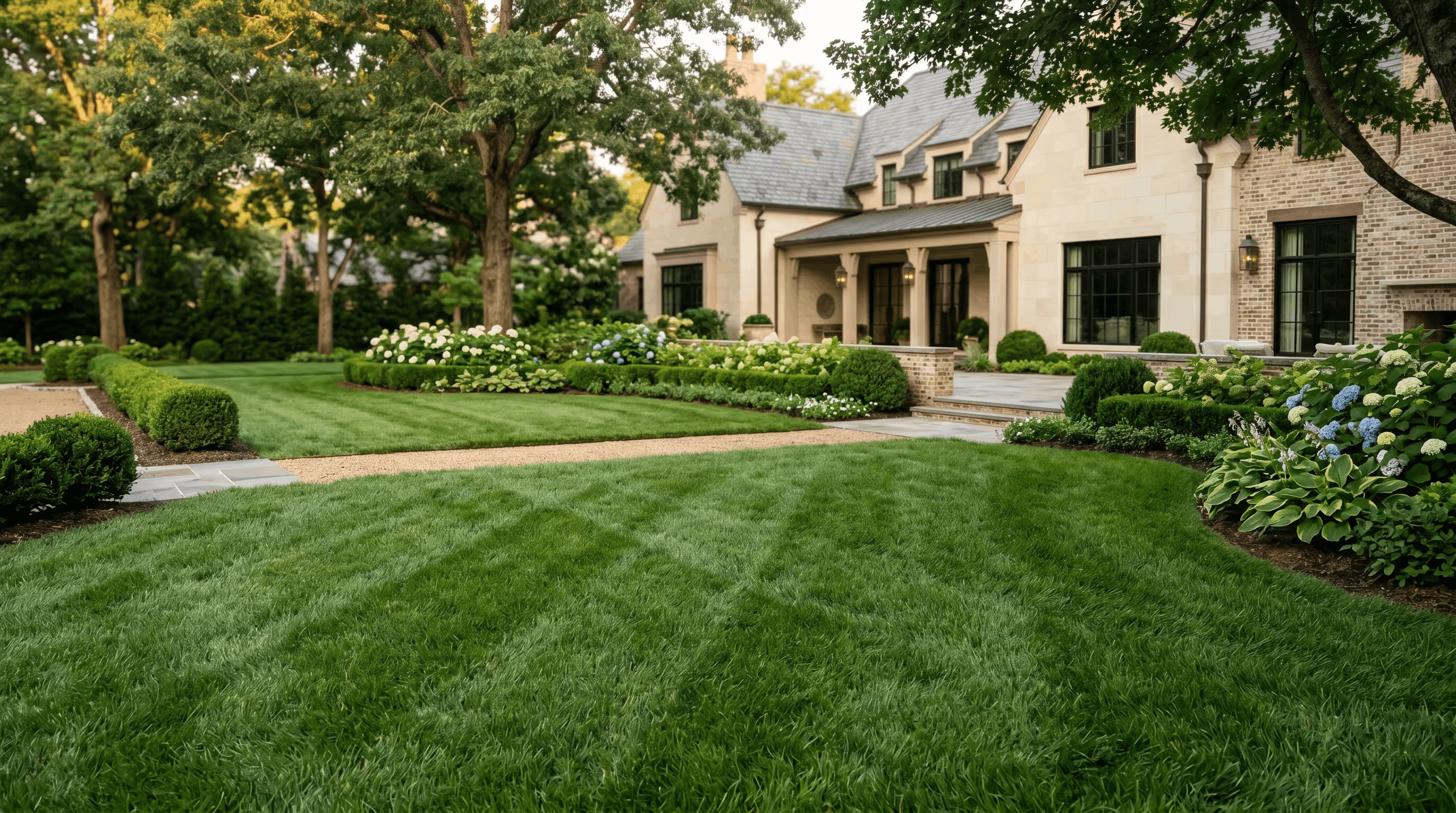
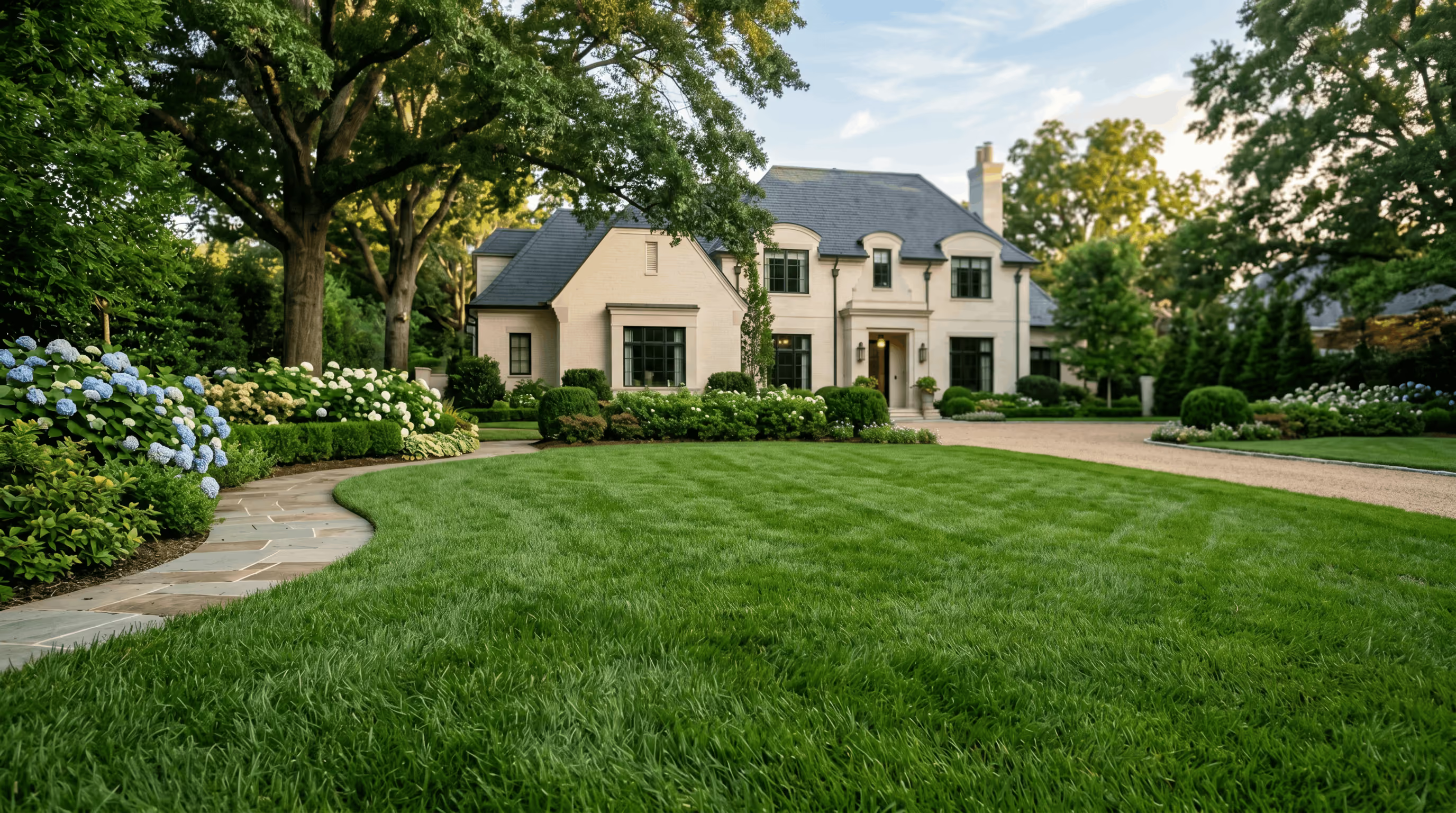
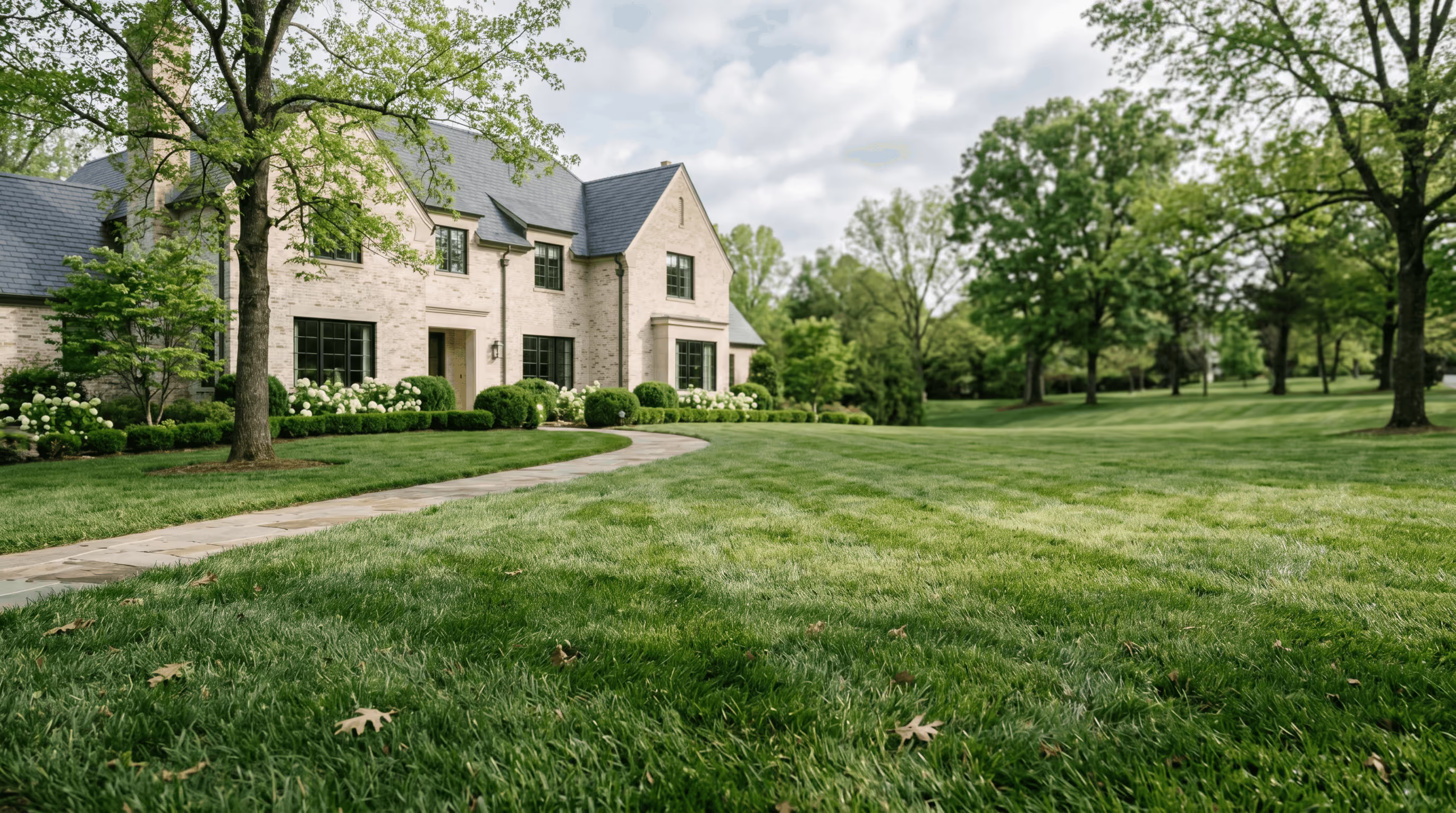
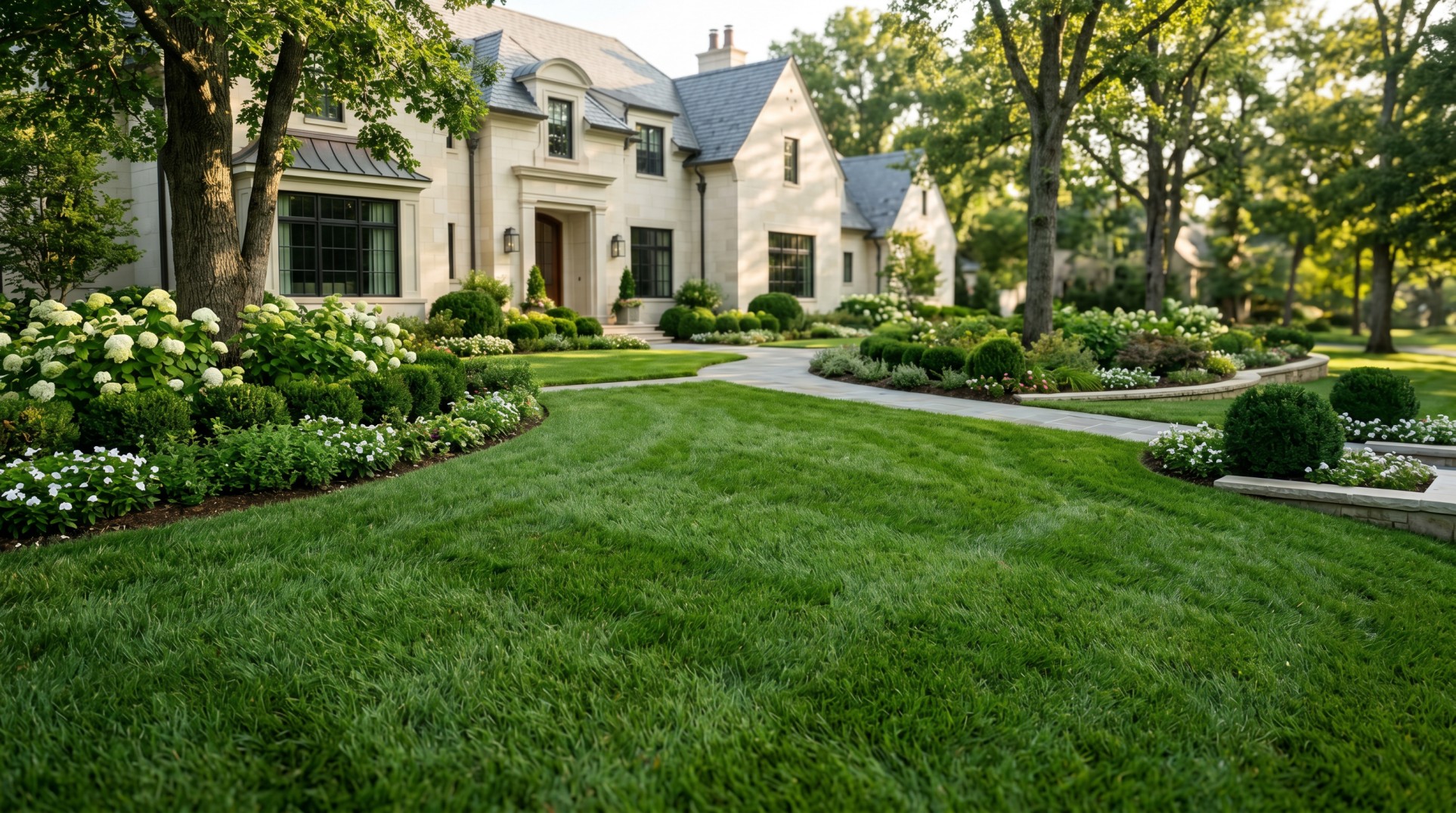
It's the same picture every year: a thick, green front yard, and then a thin, patchy circle of dirt under the big oak or maple. You've seeded it, fed it, and watered it, and it still fades out by midsummer. Growing grass under trees in Middle Tennessee is genuinely hard, but it isn't hopeless. It starts with understanding what the tree is taking from your lawn.
Why Grass Thins Under Trees
Shade gets the blame, but it's only one of three problems working together.
- Not enough light. Most lawn grasses need at least four hours of direct sun a day, or a full day of bright, dappled light, to stay thick. A mature oak or maple canopy can cut that well below what turf needs, especially once the leaves are fully out in late spring.
- Root competition. Tree roots are concentrated in the top several inches of soil, the same zone your grass roots live in. Maples in particular are known for shallow, thirsty roots near the surface.
- Water. Between the canopy catching rain and the tree roots pulling moisture, the soil under a tree can be bone dry even after a decent storm.
Add our heavy clay, which packs down around trees from foot traffic, and it's no surprise the grass gives up there first.
Which Grasses Handle Shade Best
Choosing a shade tolerant grass in Tennessee comes down to a short list:
- Tall fescue and fine fescue blends: the best option for most shady Middle Tennessee yards. Tall fescue handles moderate shade, and fine fescues do better in dry shade under trees. A blend that includes both covers more ground.
- Zoysia: handles light to moderate shade better than Bermuda, though it thins under heavy cover. (More in our zoysia care guide.)
- Bermuda: poor. It wants full sun, and even a few hours of shade a day leaves it thin and weak. If you have Bermuda out front and a shade tree out back, the grass under that tree probably needs to be fescue.
Our guide to the best grass seed for Middle Tennessee covers how to read the label on a shade mix.
How to Care for Grass in the Shade
Shaded grass grows slower and stores less energy, so it needs a gentler hand than the sunny part of the yard.
- Raise the mowing height. Keep fescue at 4 inches in the shade. More leaf means more surface to catch what light there is.
- Go easy on fertilizer. Shaded grass needs less nitrogen. Overfeeding pushes soft, weak growth that's prone to disease.
- Water deeply when it's dry. Tree roots compete for every drop, so the area under a canopy often needs a deeper soak than the open lawn in summer. Water early in the morning.
- Keep traffic down. Shaded grass recovers slowly from wear, and the clay under trees compacts easily.
- Rake leaves promptly in fall. A mat of leaves blocks light and smothers new seedlings right when they need it most.
Plan on Overseeding Every Fall
Here's the honest truth about shaded fescue: it tends to thin a little every summer, no matter how well you care for it. Overseeding each fall, September into October, is how shaded lawns stay full. Fall timing has an extra advantage under trees that drop their leaves: once the canopy opens up, more light reaches the new seedlings through late fall and early spring, when they're doing most of their growing. Aerating first gives seed real soil contact in compacted clay.
Letting more light in also helps. Thinning or raising the lower limbs of a tree can make a real difference for the grass beneath it. That's a job for a qualified tree professional, but it's worth asking about if a favorite spot keeps failing.
When to Stop Fighting It
Some spots just won't grow good grass. Deep, all-day shade, a dense evergreen canopy, or a tangle of surface roots right around the trunk are signs you're fighting the tree and losing. In those spots, a mulch bed around the base of the tree, or a shade-loving ground cover, often looks better and takes far less work than reseeding the same patch every year. Keep mulch a few inches away from the trunk, and spread it wide and shallow rather than piled high.
For the shaded areas worth saving, our Signature Aeration & Seeding combines core and liquid aeration, a Middle Tennessee cultivar mix, and a preventive fungicide in one fall visit, giving thin areas under trees their best shot at coming back thick. Get your free estimate. No contracts, no surprises.
Related guides: Aeration & overseeding in Tennessee · How to fix bare spots in your lawn · Mowing height for Middle Tennessee lawns
Related posts
Take your lawn to the next level.
How to Choose a Lawn Care Company in Nashville: Questions to Ask
.svg)