.avif)
.png)
.jpg)
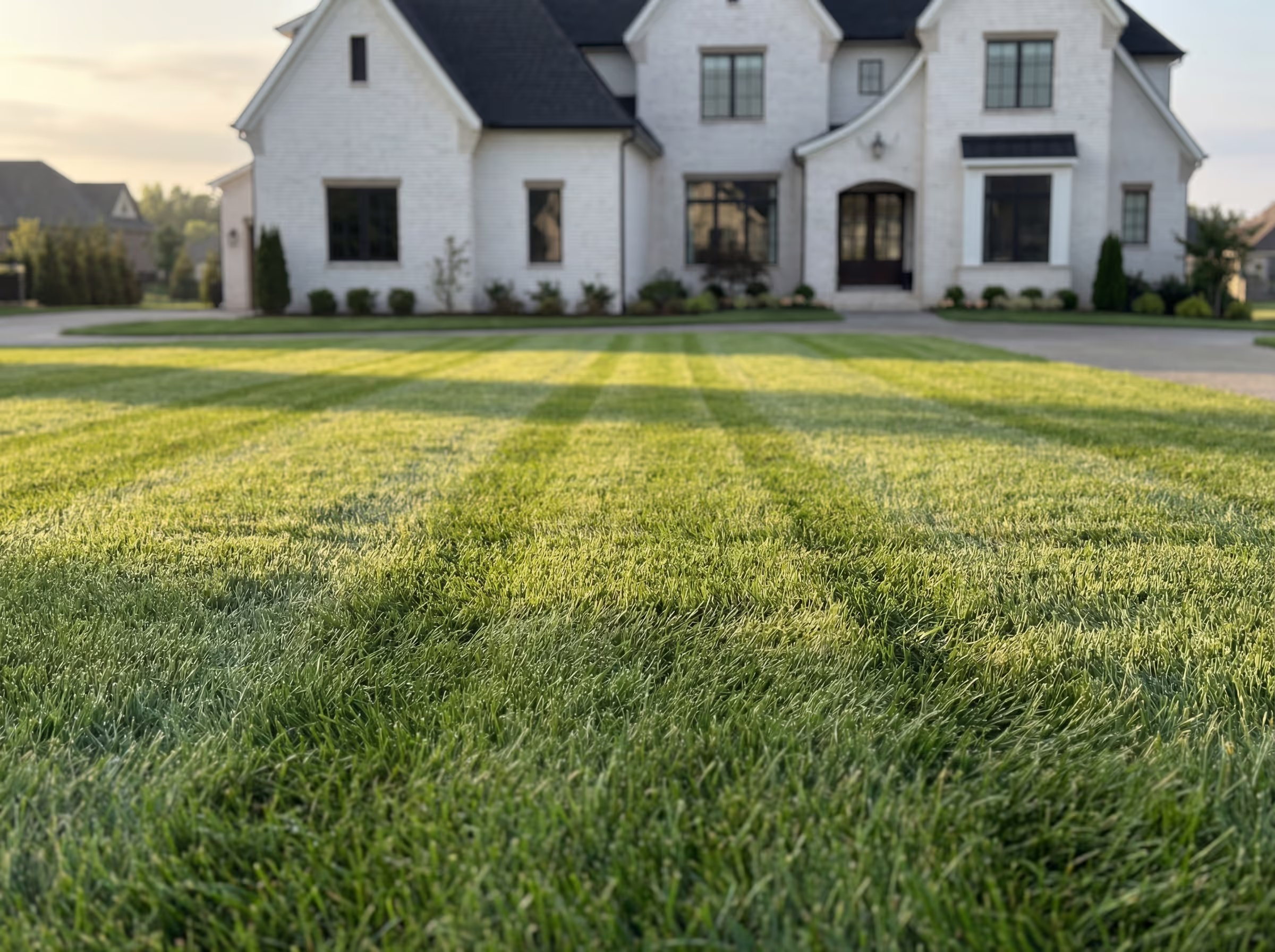
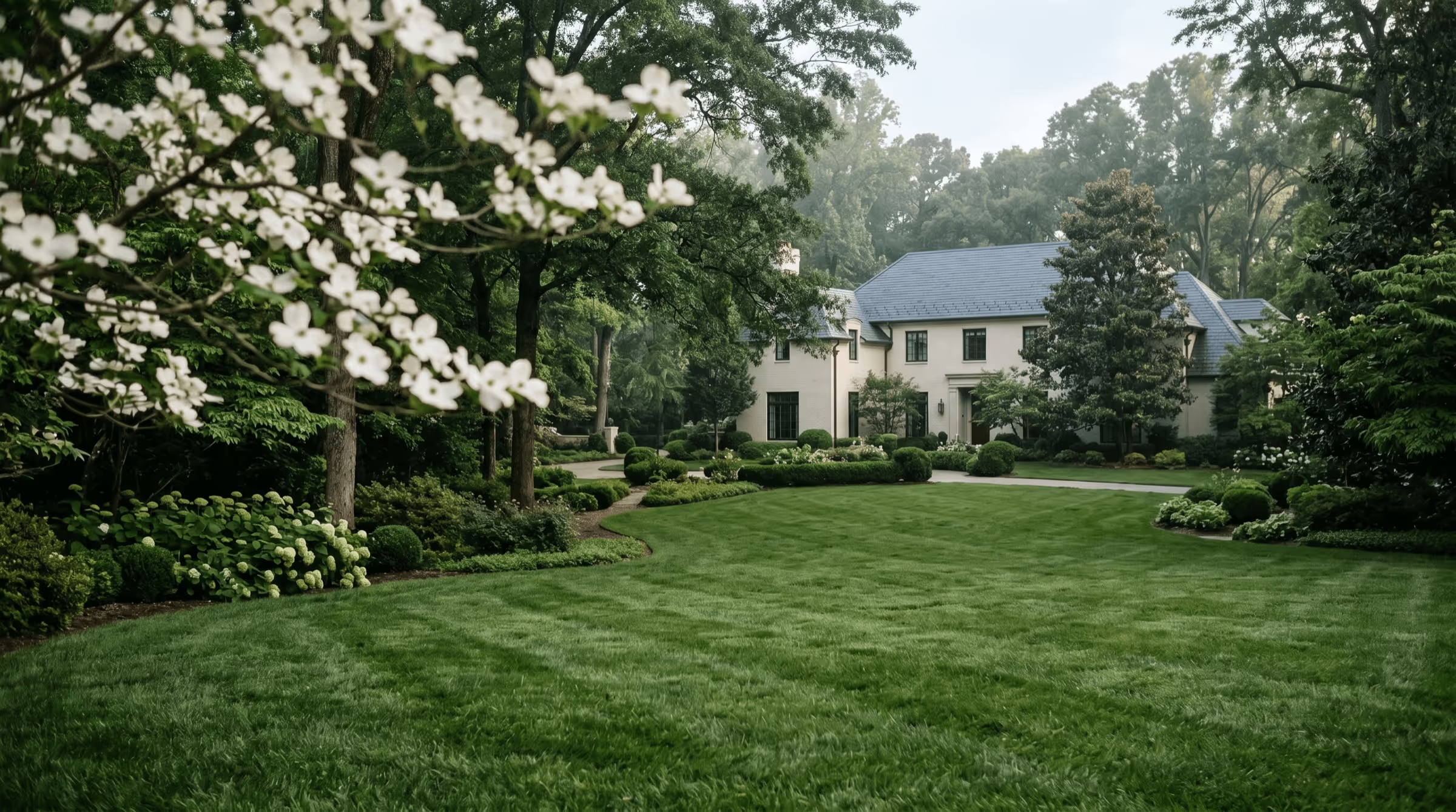
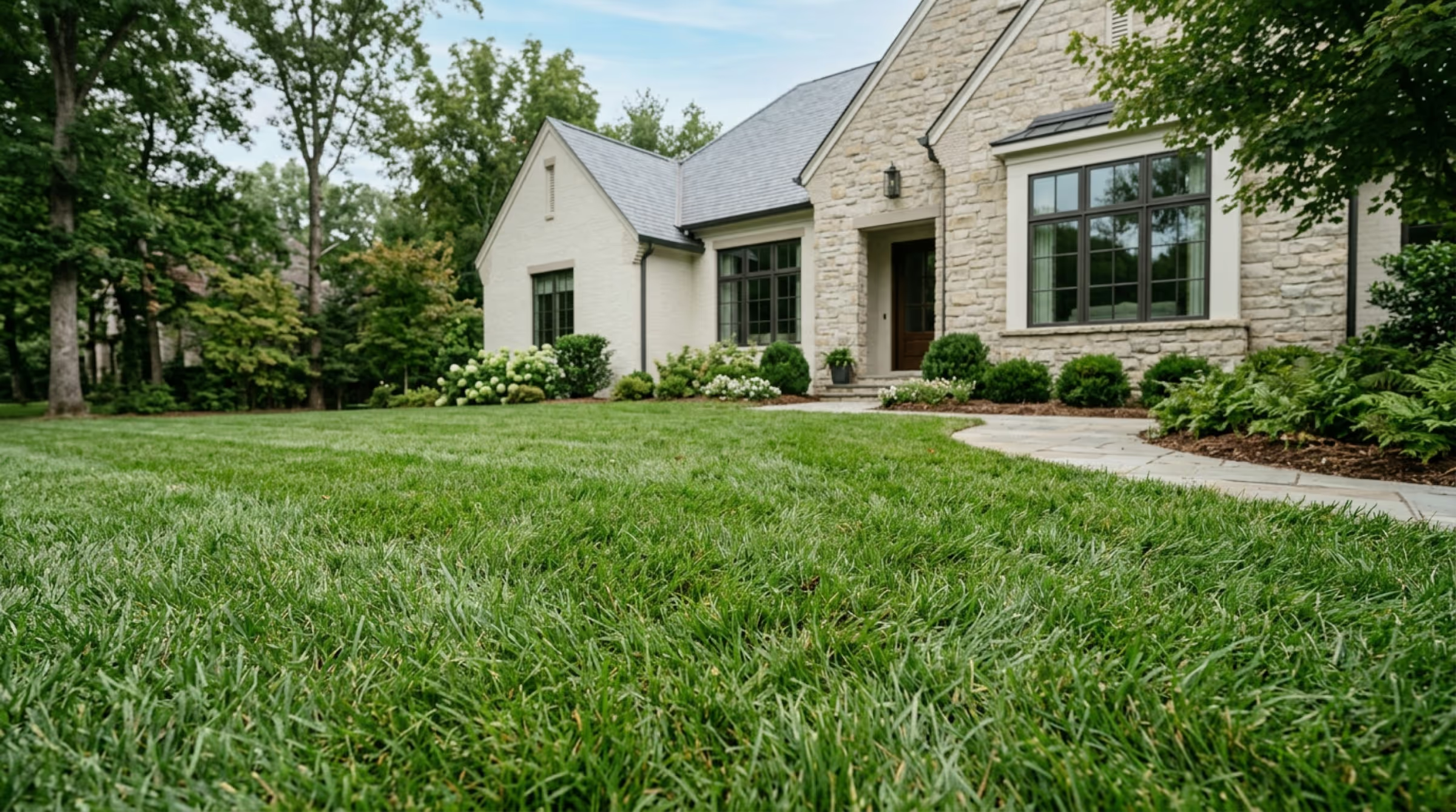
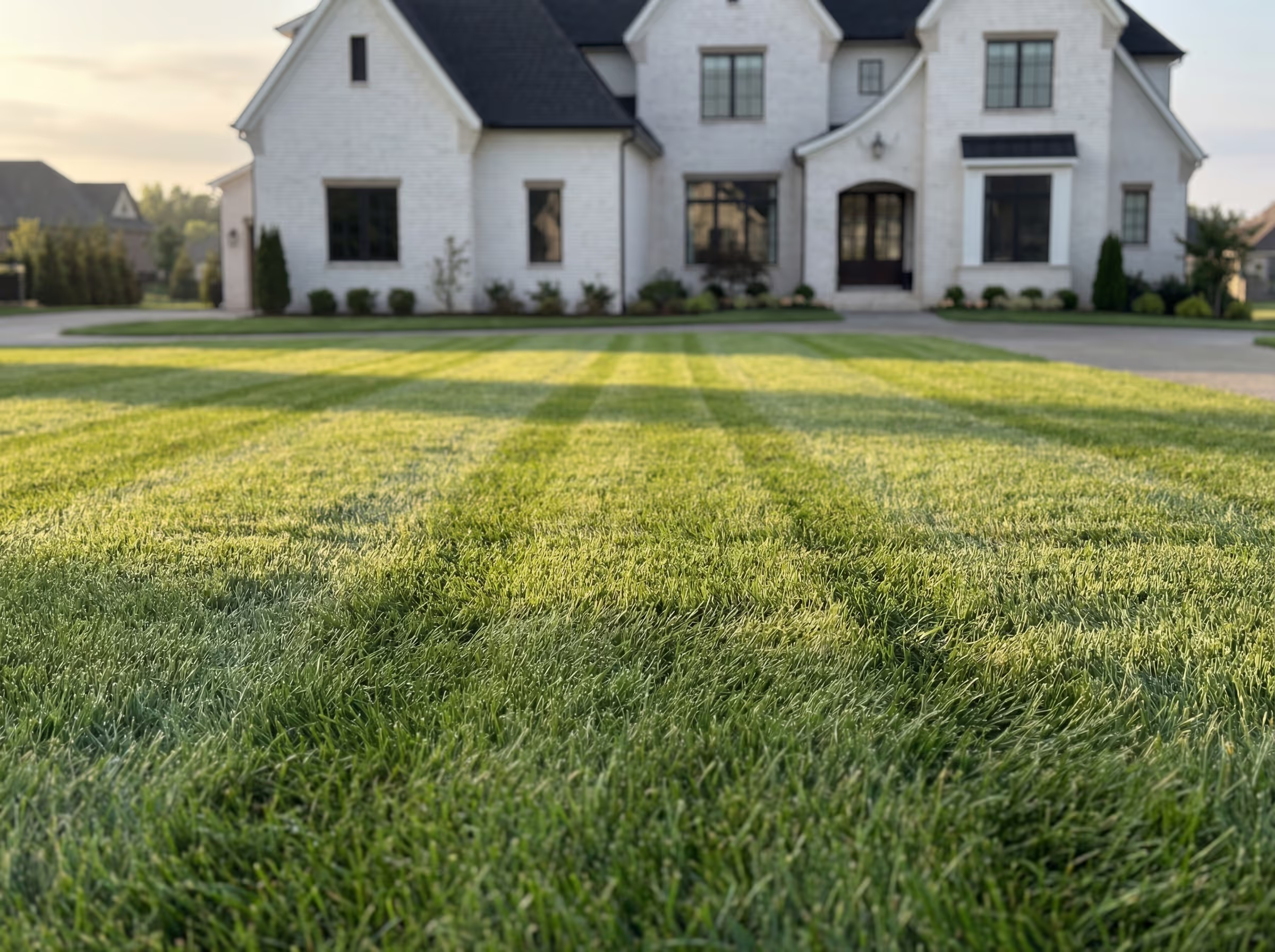
“Lawn treatment” gets used loosely. Sometimes folks mean a single weed spray, sometimes a whole year-round plan. If you're trying to figure out what you'd actually be paying for, here's a straight breakdown of what a real lawn treatment program includes in Middle Tennessee — and why each piece matters for our heavy clay soil and transition-zone grass.
A Program, Not a One-Off Spray
The biggest thing to understand: a treatment program isn't mowing or cleanup, and it isn't a single visit when the lawn already looks rough. It's a season-by-season schedule of applications that keep the grass itself healthy — feeding it, protecting it from weeds and disease, and fixing the soil underneath. The timing is the whole game. The same product does almost nothing in the wrong month and transforms a lawn in the right one. Here's what goes into ours.
Fertilization
This is the foundation. Middle Tennessee lawns get fed on a schedule matched to grass type — cool-season fescue and warm-season Bermuda or Zoysia want nutrients at different times of year. The goal isn't a quick green-up; it's steady, balanced feeding that builds thick growth and deep roots so the lawn can handle our summers. You can see how this fits into a full program on our lawn care service pages.
Weed Control
Two parts, and both matter. Pre-emergent applications in early spring and fall stop weeds like crabgrass before they ever germinate — timing here is everything, because once they're up, you've missed the window. Post-emergent treatments then handle the broadleaf weeds that slip through. Done together on a schedule, this is what keeps a lawn clean without blanket-spraying all season. It's the heart of our weed control work across Middle Tennessee.
Disease and Insect Protection
Our hot, humid summers are hard on fescue, and lawn diseases like brown patch and dollar spot show up every year. A good program watches for them and treats with targeted fungicide before they take over a lawn. The same goes for the insects that do real damage here — grubs, army worms, and sod webworms — which need the right product at the right time, not a guess after the damage is done.
Soil and Aeration
This is the piece most “treatment” plans skip, and it's the one our clay needs most. All the fertilizer in the world can't help if it can't reach the roots through compacted soil. That's why aeration belongs in the program — ideally paired with overseeding in the fall, which is the single most effective thing you can do for a thin Middle Tennessee lawn. We walk through the whole thing in our complete guide to lawn aeration and our aeration and overseeding guide.
Why “Middle Tennessee” Keeps Coming Up
Because it changes everything. Our heavy clay compacts hard, our transition-zone climate swings from freeze to drought, and our summers breed disease. A treatment program built for sandy soil or a milder climate just doesn't fit here. The right plan is timed to our seasons, our soil, and the grass actually growing in your yard — which is why we look at the specific lawn before we recommend anything.
What It Should Cost — and What to Avoid
A real program is priced to your lawn's size and condition, not a flat number quoted sight-unseen. Be wary of anyone selling a rigid annual contract before they've seen your yard, or a “one spray fixes everything” pitch — healthy turf is built over a season, not in an afternoon. We keep it simple: no contracts, no surprises, and a straight recommendation for what your lawn actually needs.
Want to know what a program would look like for your lawn? We're out in Middle Tennessee yards every day. Get your free estimate — no contracts, no surprises.
We provide lawn treatment programs across Middle Tennessee — including Nashville, Brentwood, Franklin, and Murfreesboro.
Related posts
Take your lawn to the next level.
The Best Time to Aerate a Lawn in Tennessee: A Month-by-Month Guide
.svg)