


.avif)

.png)
.jpg)





Your Lawn’s Health Starts Below the Surface
Most homeowners in Middle Tennessee focus on mowing, watering, and fertilizing — but the real story of your lawn’s health begins underground. Your soil’s composition determines how well grass can grow, absorb nutrients, and resist weeds.
That’s why professional soil testing isn’t just helpful — it’s essential. By analyzing your soil’s chemistry, Pure Turf can build a custom lawn treatment plan designed for your exact property conditions in Franklin, Brentwood, Nashville, and surrounding areas.
What a Soil Test Tells You
A professional soil test measures several key indicators that determine how well your grass can grow:
- Soil pH: Ideal lawns in Middle Tennessee prefer a slightly acidic pH (around 6.0–6.5). If your pH is too high or too low, fertilizer and nutrients won’t work properly.
- Nutrient Levels: Testing identifies deficiencies in nitrogen (N), phosphorus (P), and potassium (K), as well as secondary nutrients like calcium and magnesium.
- Organic Matter Content: This affects how well soil retains moisture and supports beneficial microbes.
- Texture and Composition: Whether your soil leans clay-heavy, sandy, or loamy will influence aeration and drainage strategies.
These insights reveal exactly what your lawn needs — and what it doesn’t.
Why Soil Testing Matters in Middle Tennessee
Our region’s soil types are diverse — for example: limestone-rich clay is common in Williamson County and rocky, compacted topsoil near Nashville. Over time, natural weathering, runoff, and heavy foot traffic can deplete essential nutrients and tighten soil structure.
Without a soil test, you’re essentially guessing at what your lawn needs — and wasting money on fertilizers that may never reach the roots.
A soil test ensures your treatments are accurate, balanced, and effective for Middle Tennessee’s unique growing conditions.

How Pure Turf Uses Soil Testing to Improve Results
At Pure Turf, we take a data-driven approach to lawn care:
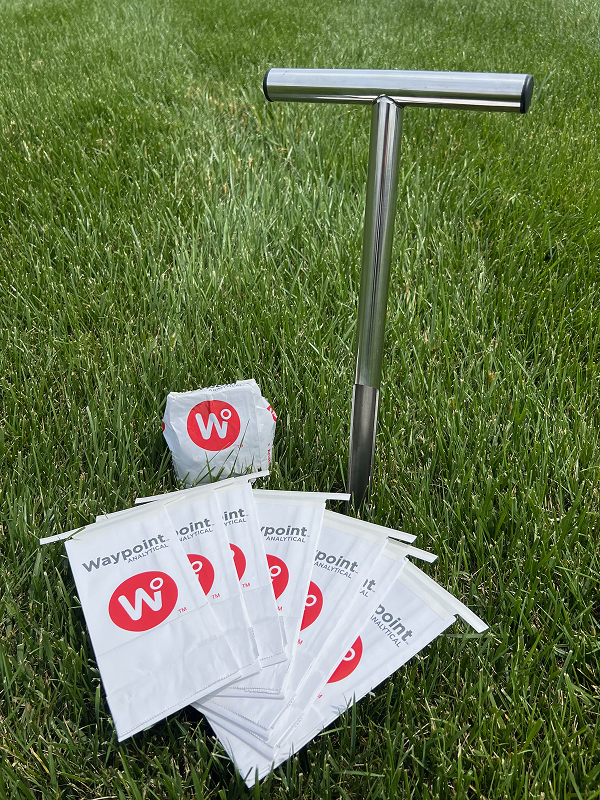
- Collecting the Sample: We take multiple cores from different areas of your lawn to create a representative sample.
- Lab Analysis: Samples are tested for pH, nutrient levels, and organic content using professional-grade lab methods.
- Custom Recommendations: Based on the results, we adjust your fertilization and lime treatments to target the exact needs of your soil.
- Ongoing Monitoring: Soil changes seasonally, so we test periodically to ensure your lawn continues to perform at its best.
This process allows us to deliver visible, lasting improvements — not just greener grass, but stronger roots, better water retention, and improved resistance to disease.
-min.jpg)
When to Test Your Soil
The best time to test soil in Middle Tennessee is late fall through early spring — before your first fertilization of the year. Testing once every 1–2 years ensures your treatment program adapts to changing soil conditions and maintains optimal nutrient balance.
What Happens After Testing
Once the results are in, Pure Turf’s technicians create a custom lawn health plan tailored to your soil’s profile. That might include:
- Adjusting pH with lime applications
- Modifying fertilizer blends
- Incorporating organic matter or micronutrients
- Scheduling aeration or overseeding for compacted lawns
The result? A thicker, more resilient lawn that actually responds to your care.
Get a Professional Soil Test from Pure Turf
Stop guessing about what your lawn needs — know for sure. Pure Turf’s soil testing service gives you a clear picture of your lawn’s foundation and a plan to make it thrive. Included on all lawn care programs. Request a free estimate today.
Serving: Franklin, Brentwood, Spring Hill, Murfreesboro, and the Greater Nashville area.
Related posts
Take your lawn to the next level.

5 Common Diseases Affecting Tennessee Lawns (and how to prevent them)
.svg)