.avif)
.png)
.jpg)
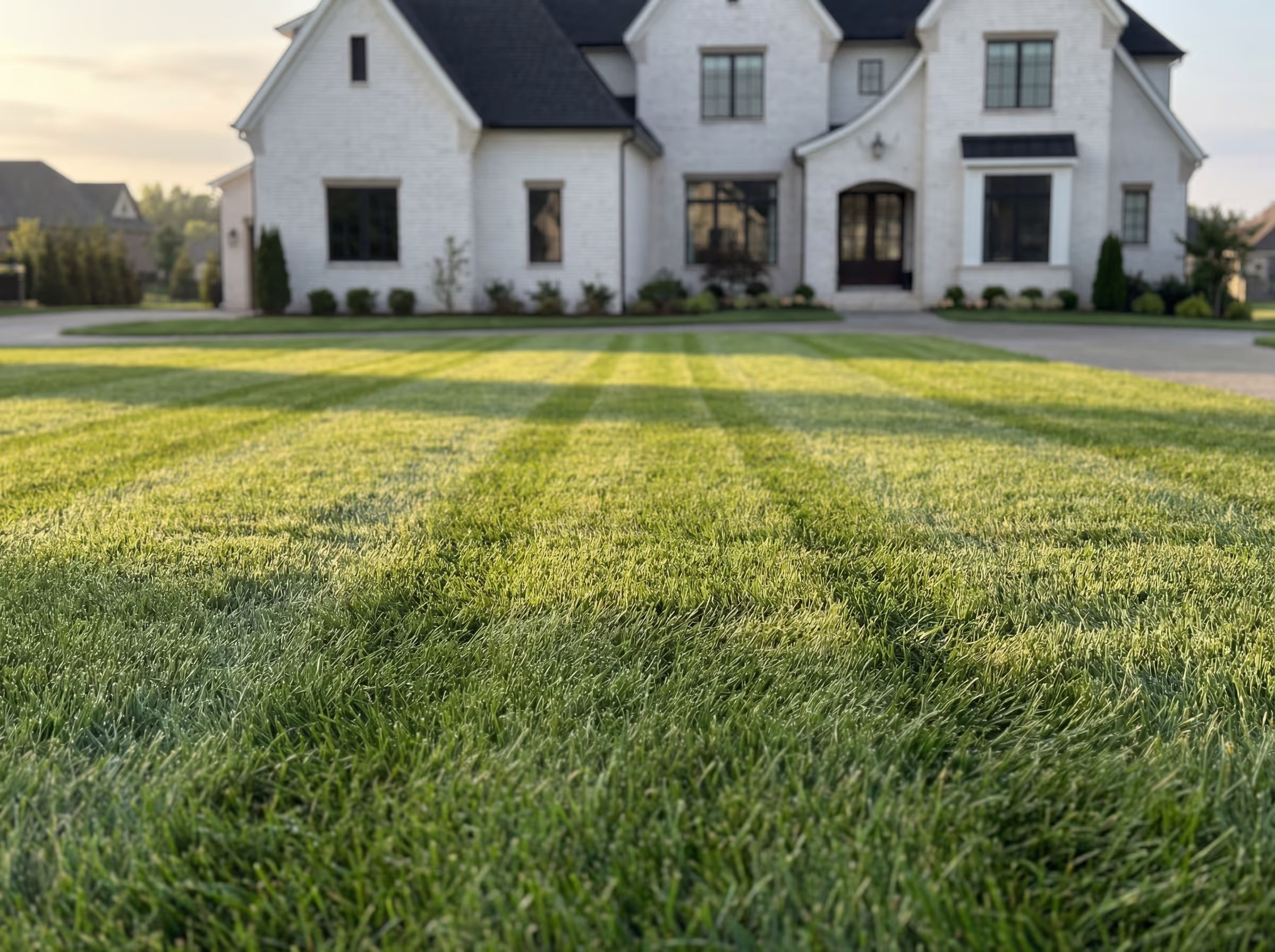
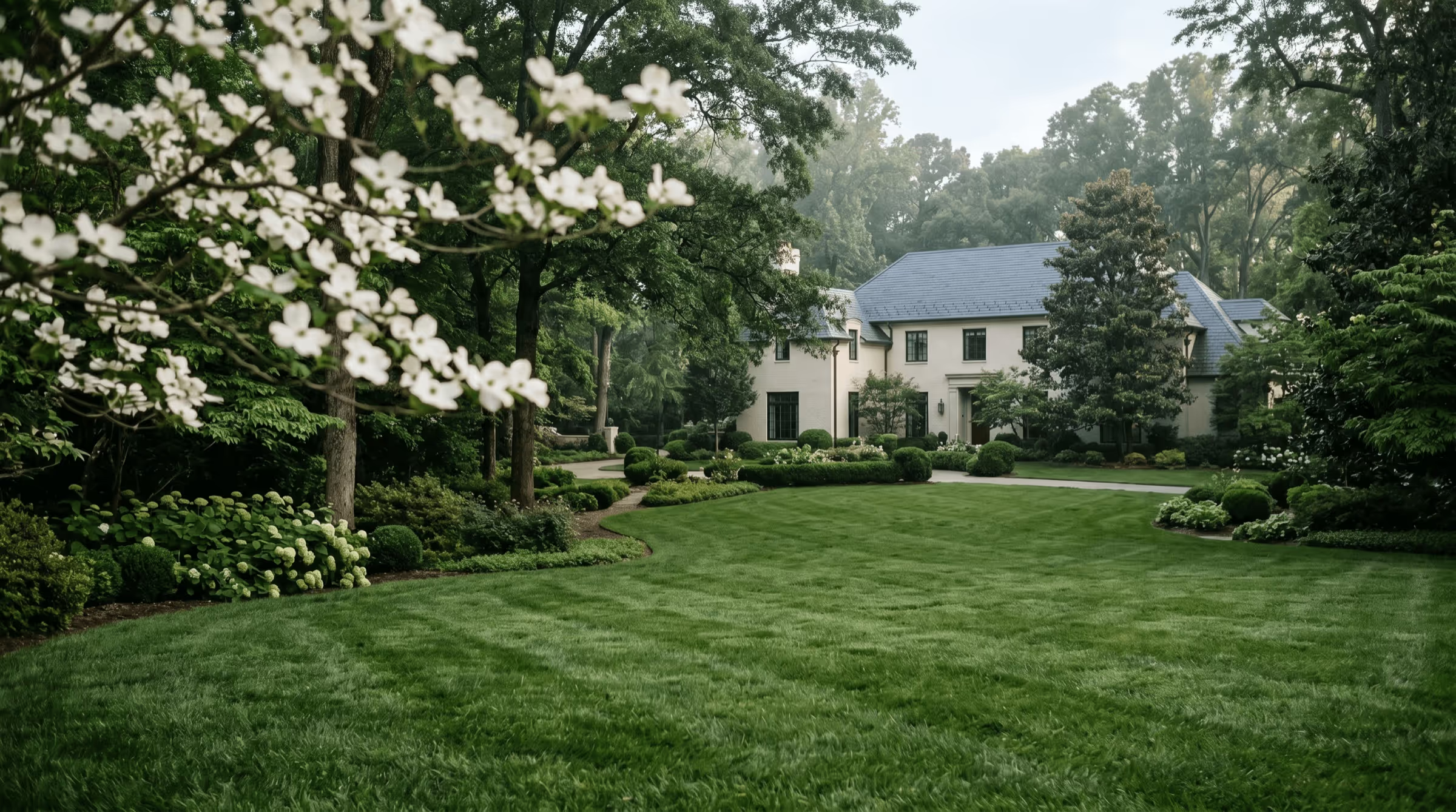
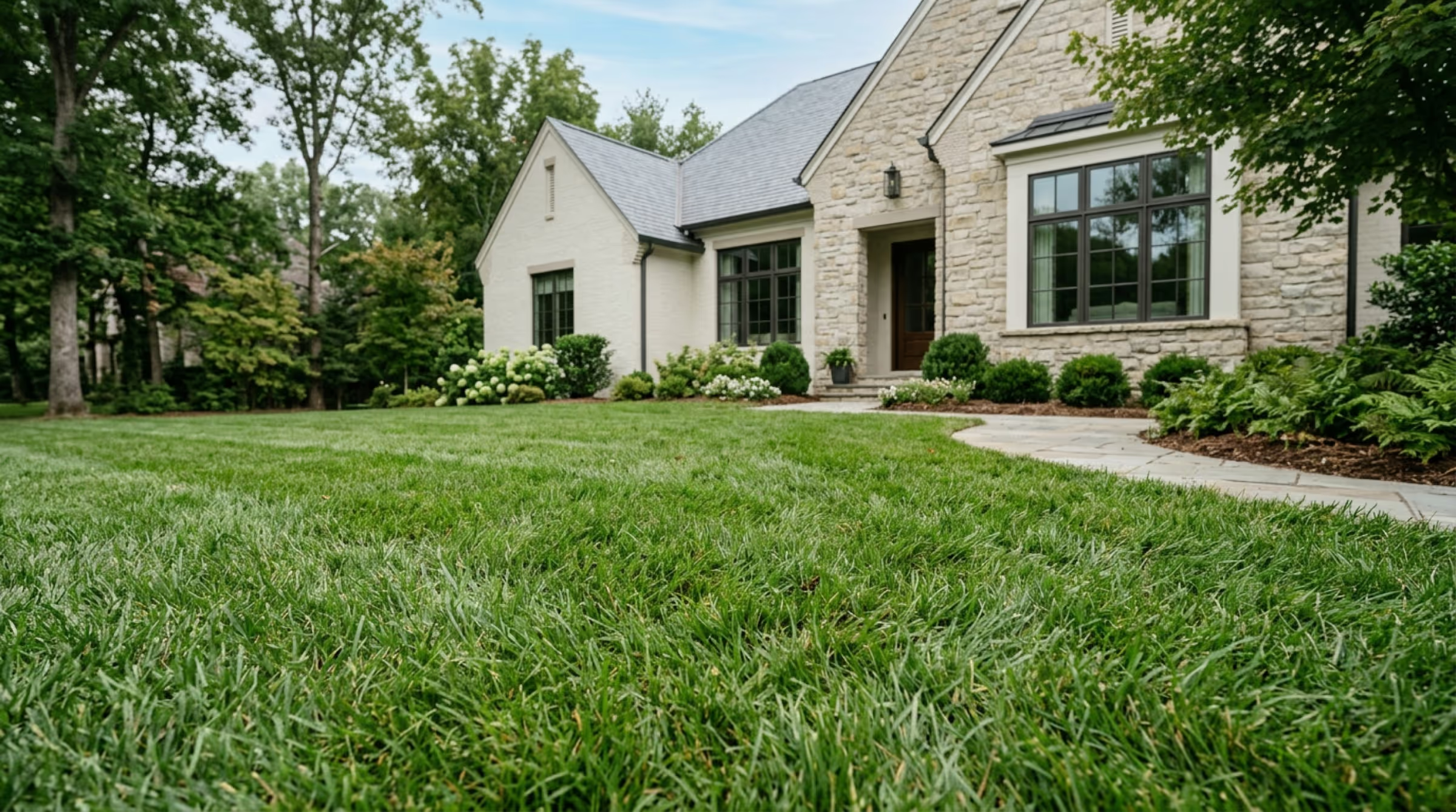
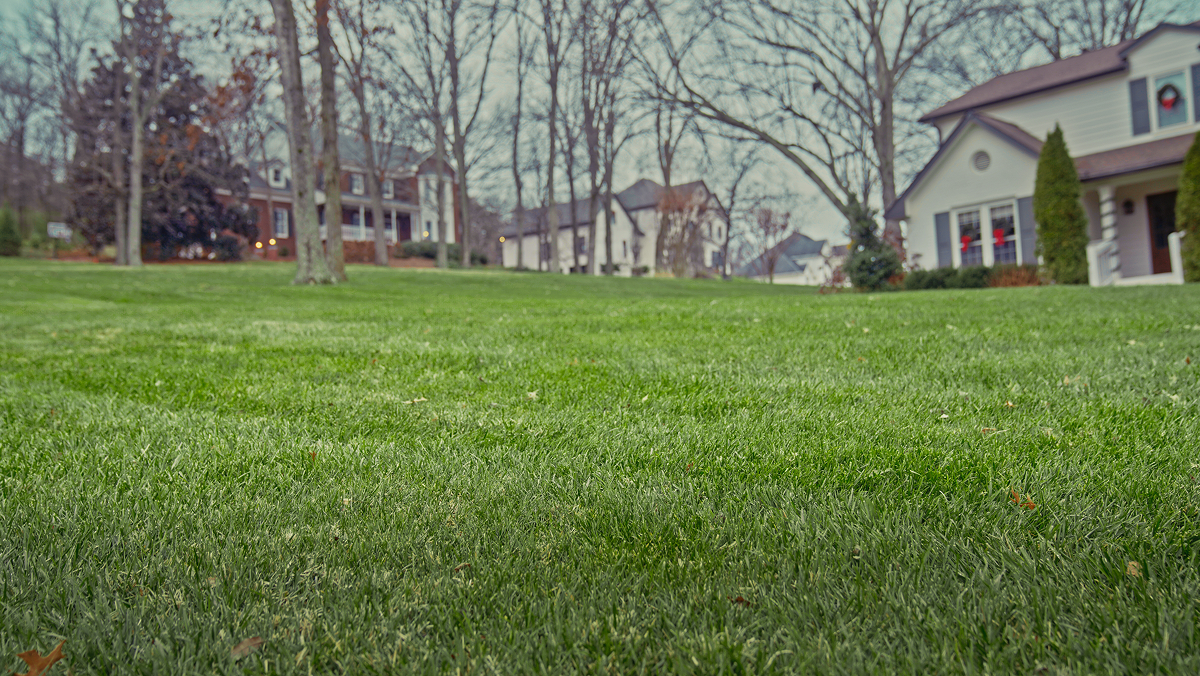
Why do some lawns in Westhaven look like golf courses while others struggle with weeds and brown patches? The answer isn't what you think.
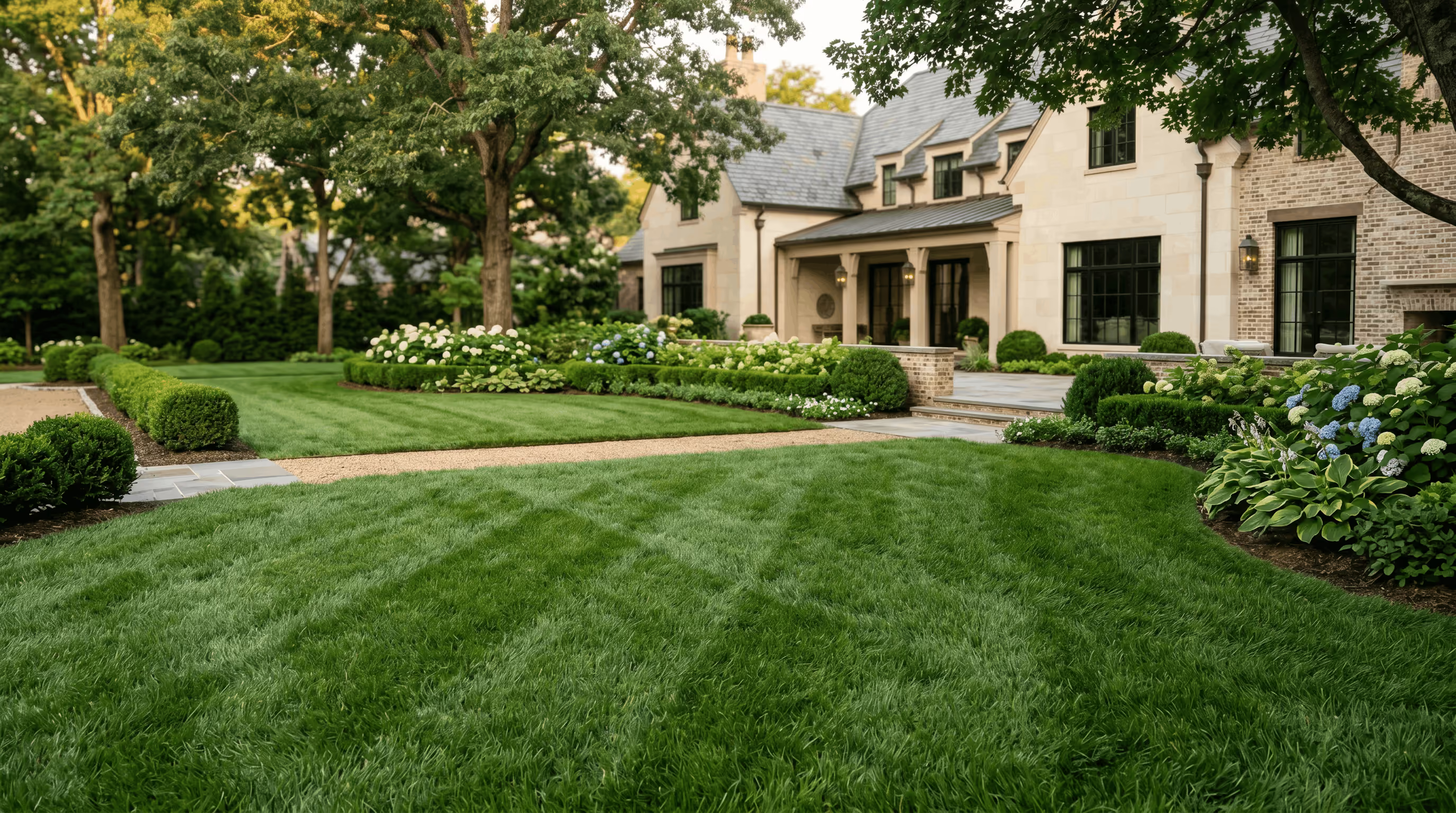
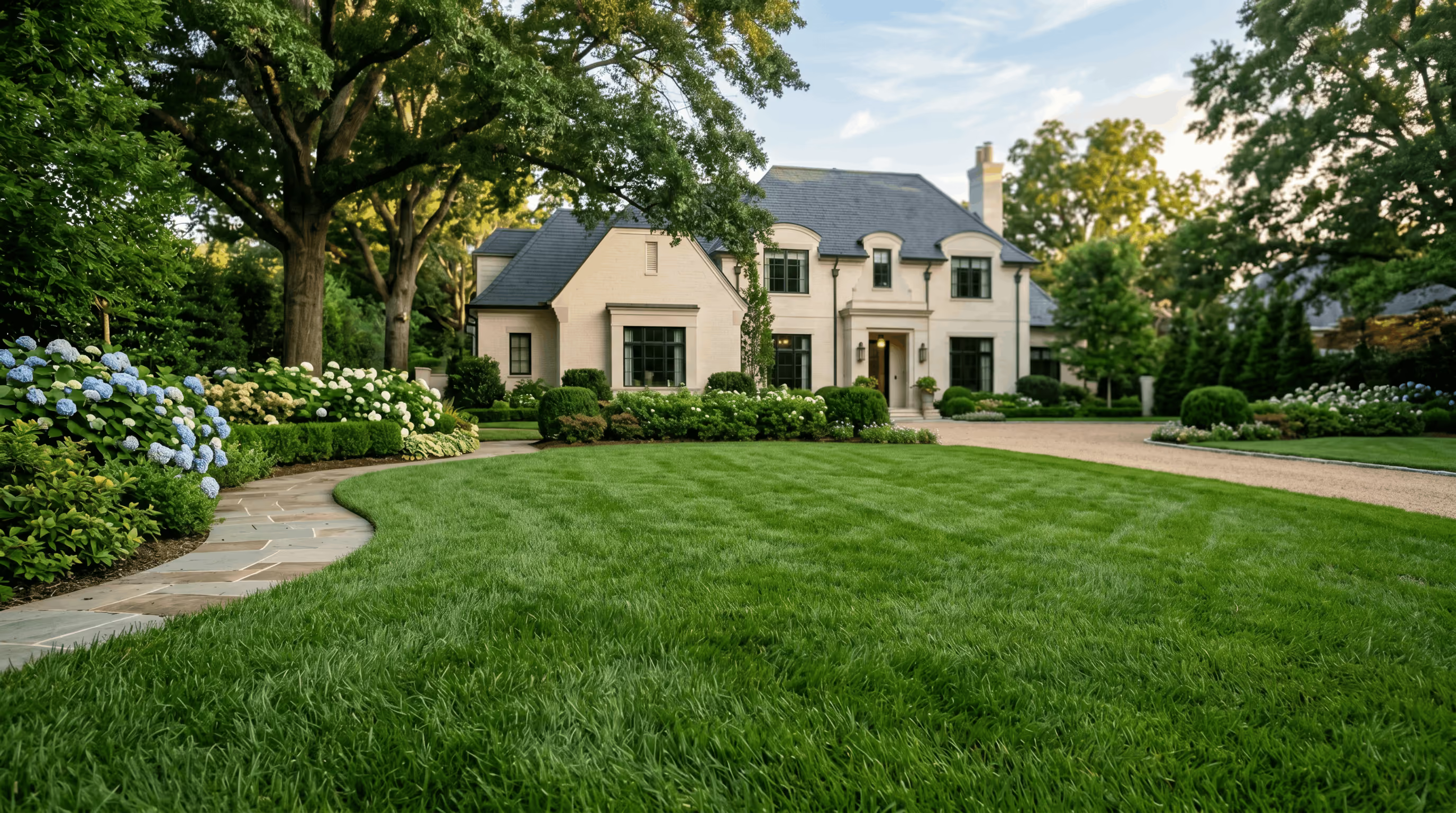
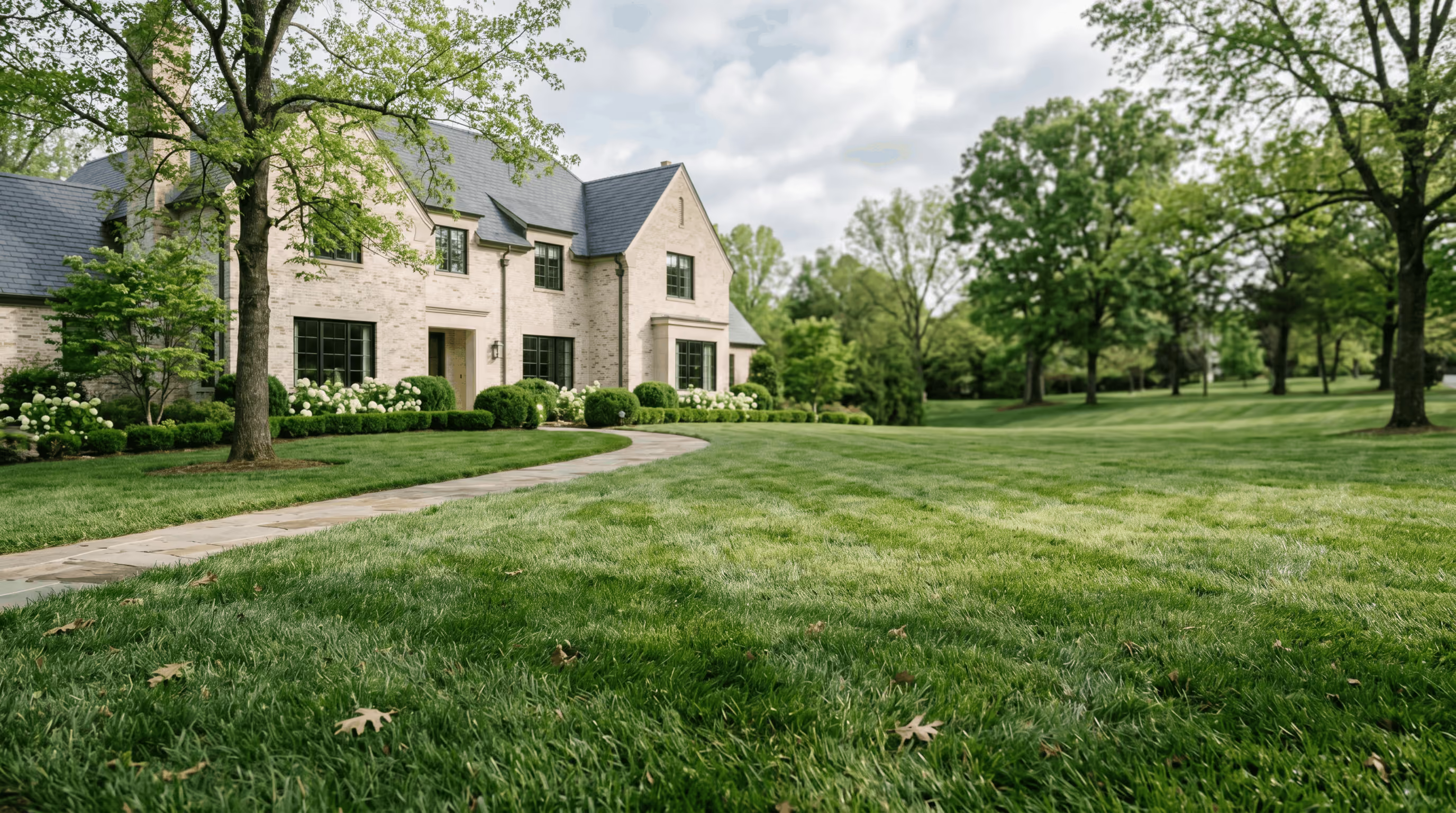
If you've ever driven through Middle Tennessee neighborhoods like Westhaven in Franklin, Temple Hills, or Brentwood Country Club, you've probably noticed something puzzling: houses sitting side-by-side with drastically different lawn quality. One home boasts thick, emerald-green turf that looks professionally manicured, while their next-door neighbor battles crabgrass, bare spots, and a patchy, weed-ridden mess.
Same street. Same weather. Same soil type. Completely different results.
As February arrives and Middle Tennessee lawns begin waking up from winter dormancy, this lawn quality gap becomes even more apparent. Some properties are already preparing for spring with pre-emergent applications and early fertilization, while others are still dealing with last year's problems.
So what's really going on? Let's dig into why your neighbor's lawn might be thriving while yours struggles – and what you can do about it before spring growth kicks into high gear.
The Middle Tennessee Lawn Care Challenge
Middle Tennessee's unique climate creates specific challenges for homeowners in Franklin, Brentwood, Nolensville, and surrounding Williamson County communities. We sit in a transition zone where both cool-season grasses (like tall fescue) and warm-season varieties (like bermudagrass) can survive, but neither thrives without intentional care.
Our clay-heavy soil, unpredictable weather patterns, and humid summers create the perfect storm for lawn problems. Add in Middle Tennessee's acidic soil conditions, and you've got a recipe for nutrient deficiencies that turn lawns brown and invite weeds to take over.
Yet neighborhoods like The Reserve at Temple Hills, The Governors Club in Brentwood, and sections of Westhaven prove that stunning lawns are absolutely achievable here. The difference? It's not luck.
Why Neighbor Lawns Look So Different
1. Timing Is Everything (And Most People Get It Wrong)
February through early March is the most critical window for Middle Tennessee lawn success. This is when pre-emergent herbicides must be applied to prevent crabgrass and other grassy weeds from germinating when soil temperatures reach 55°F.
Miss this window, and you'll spend all summer battling weeds that could have been prevented. Your neighbor with the pristine lawn? They didn't miss it. They either hired a professional lawn care service or marked their calendar months ago.
The lawn you see in May was built in February.
2. Professional Fertilization Programs vs. DIY Guesswork
Walk into any Franklin or Brentwood hardware store and you'll find dozens of fertilizer options. Most homeowners grab whatever's on sale, apply it randomly, and wonder why results are disappointing.
Professional lawn fertilization services in Middle Tennessee follow science-based application schedules tuned to our specific grass types and growing seasons. They understand that:
- Cool-season fescue lawns need nitrogen applications in early spring and fall (not summer)
- Warm-season grasses require different timing completely
- Our acidic Tennessee soil needs lime applications to unlock nutrients
- Soil compaction from our clay requires fall aeration to allow roots to breathe
Your neighbor's "secret"? They invested in a comprehensive lawn care program that applies the right products at the right time, rather than throwing random fertilizer on their yard and hoping for the best.
3. Proactive Weed Control vs. Reactive Panic
There are two types of homeowners in Middle Tennessee:
Type 1: Waits until their lawn is overrun with dandelions, clover, and crabgrass, then frantically applies whatever weed killer they can find at Kroger.
Type 2: Uses professional weed control services that prevent weeds before they start with pre-emergent applications, then spot-treats any stragglers with targeted post-emergent treatments.
The difference in results is staggering. Type 2 lawns stay thick and green because weeds never get a chance to establish. Type 1 lawns look like a patchwork quilt of different plant species competing for dominance.
Effective weed control in Middle Tennessee requires both pre-emergent herbicides (applied in late winter/early spring and again in late summer) and post-emergent treatments (for weeds that break through). It's a year-round strategy, not a panic response.
4. Disease Prevention Through Fungicide Applications
Tennessee's humid summers create ideal conditions for lawn diseases like brown patch, dollar spot, and pythium blight. These fungal diseases can decimate a lawn in days, leaving circular brown patches that homeowners mistake for drought stress or dog damage.
In neighborhoods throughout Brentwood and Franklin, the lawns that stay healthy through July and August are typically enrolled in programs that include preventative fungicide applications. These treatments protect turf during the most vulnerable periods, preventing disease before it starts.
Your neighbor's lawn isn't "lucky" to avoid disease – they're preventing it proactively.
5. Fall Aeration and Overseeding (The Game-Changer)
This is perhaps the biggest difference between great lawns and struggling ones in Middle Tennessee.
Fall aeration and overseeding transforms thin, patchy fescue lawns by:
- Breaking up compacted clay soil so roots can grow deeper
- Introducing new, improved grass varieties that fill in bare spots
- Creating the thick turf density that naturally chokes out weeds
September is the absolute best time for this service in our area, yet many homeowners skip it entirely or only do it every few years. Meanwhile, the pristine lawns in neighborhoods like Westhaven's front sections receive annual fall aeration and overseeding without fail.
The cumulative effect over 3-5 years? Night and day difference.
Spring Lawn Care Readiness: What You Should Be Doing Right Now
February is go-time for Middle Tennessee lawns. Here's what your neighbors with gorgeous grass are doing this month:
Essential February Services:
- Pre-emergent herbicide application – This is non-negotiable for preventing crabgrass
- Early spring fertilization – A balanced, slow-release fertilizer to fuel spring green-up
- Broadleaf weed control – Target winter weeds like henbit, chickweed, and clover before they spread
- Soil testing – Determine pH levels and nutrient deficiencies specific to your property
Planning for Spring:
- Schedule lawn disease prevention (fungicide applications during humid periods)
- Plan fall aeration and overseeding now (mark your calendar for September)
- Consider soil amendments if testing reveals pH or nutrient issues
The Real Cost of DIY vs. Professional Lawn Care in Franklin and Brentwood
Many homeowners in Williamson County neighborhoods start with DIY lawn care to save money. The math seems simple: buy products at the store instead of paying for service.
But here's what actually happens:
DIY Reality:
- Results are inconsistent because timing and product selection aren't optimized
- Lawn still looks mediocre, requiring reseeding and repair
Professional Lawn Care Programs:
- Proper timing, commercial-grade products, guaranteed results
- No guesswork, no wasted weekends, no storing chemicals
- Includes expert diagnosis and adjustments as needed
The cost difference is negligible. The quality difference is enormous.
What Makes Pure Turf's Approach Different
At Pure Turf, we've built our reputation on transforming struggling Middle Tennessee lawns into neighborhood showpieces. We don't just mow (in fact, we don't mow at all). We focus exclusively on what actually creates healthy, weed-free lawns:
- Fertilization programs tailored to Middle Tennessee's soil and climate
- Comprehensive weed control with both pre-emergent and post-emergent applications
- Disease prevention through strategic fungicide treatments
- Fall aeration and overseeding to maintain thick, healthy turf
Our programs are designed specifically for communities throughout Franklin, Brentwood, Nolensville, and surrounding Williamson County areas. We understand the unique challenges of lawns in Westhaven, Temple Hills, Governors Club, and beyond.
Your Lawn's Potential Is Waiting
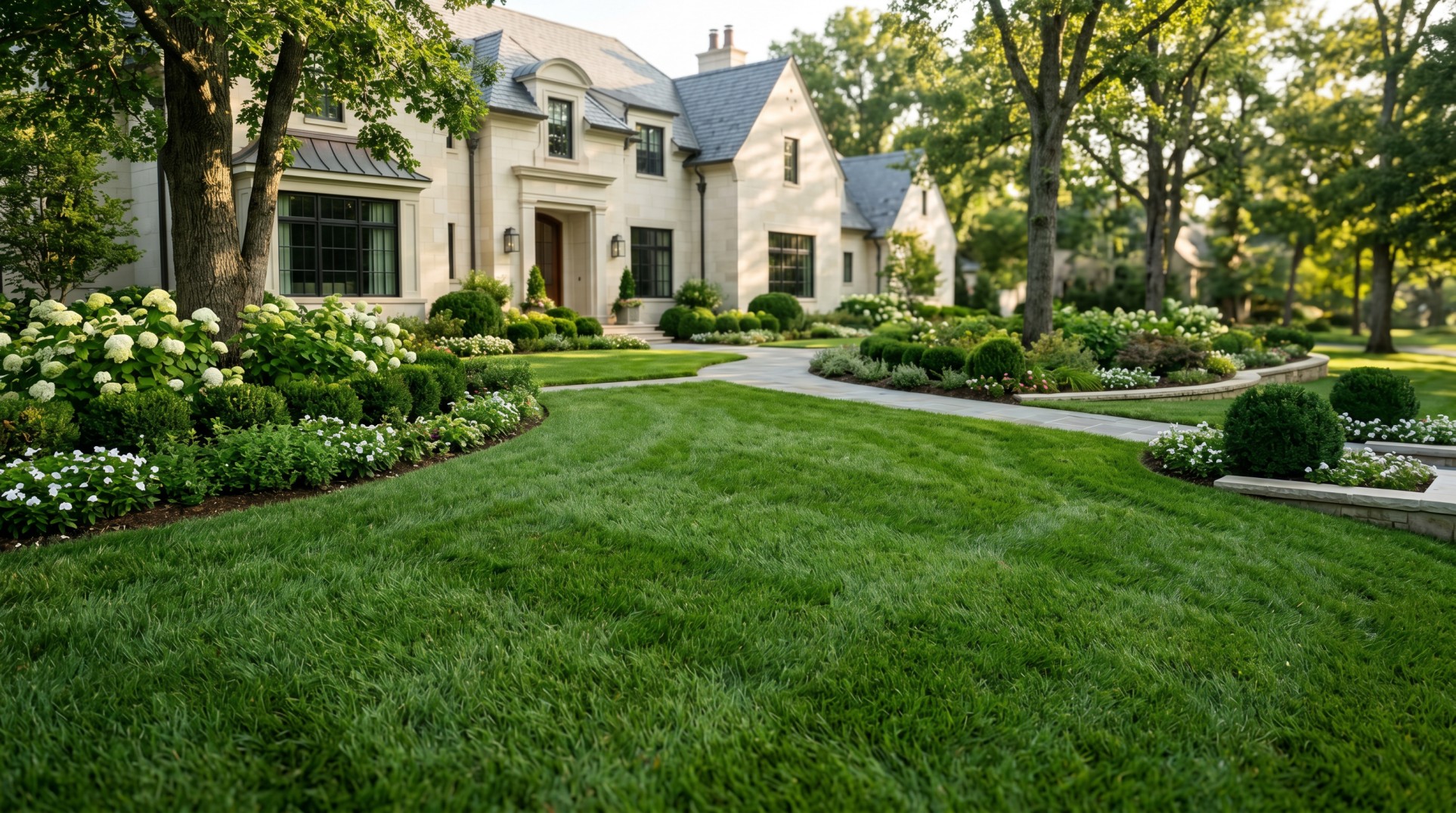
That neighbor down the street with the stunning lawn isn't doing anything magical. They're simply following a proven, science-based lawn care program designed for Middle Tennessee conditions.
The best lawns in Franklin and Brentwood didn't happen by accident. They're the result of:
- Consistent, professional fertilization on the right schedule
- Proactive weed prevention (not reactive panic treatments)
- Disease management before problems start
- Annual fall aeration and overseeding
- pH management through lime applications
February is the month that determines what your lawn will look like in May. Miss the pre-emergent window, and you'll spend the entire season fighting an uphill battle.
Get Your Free Lawn Analysis
Wondering what's holding your lawn back? Pure Turf offers free, no-obligation lawn assessments throughout Franklin, Brentwood, and Middle Tennessee communities.
Our lawn care specialists will:
- Identify current lawn problems and their causes
- Recommend a customized treatment plan
- Explain exactly what services your lawn needs and when
- Provide transparent pricing with no hidden fees
Don't watch another spring season pass by while your neighbor's lawn looks amazing and yours struggles. The gap between their lawn and yours isn't about luck, genetics, or some secret formula.
It's about having the right plan, applied at the right time, with professional-grade products.
Contact Pure Turf today to schedule your free lawn evaluation and join the ranks of Middle Tennessee homeowners with lawns their neighbors admire.
Related posts
Take your lawn to the next level.

Fall Lawn Aeration FAQ for Middle Tennessee Homeowners
.svg)